Social media management in 2026 is no longer about simply “posting regularly” and hoping for engagement. It’s about running a repeatable, measurable operation that spans planning, publishing, community management, customer care, social listening, reporting, and governance—often across multiple brands, regions, and networks. As formats multiply, trends move faster, and scrutiny around approvals and compliance increases, the right tool should save time and actively reduce risk.
Most social media management platforms now offer a familiar baseline: scheduling, a unified inbox, analytics, and basic collaboration. The real differences emerge once teams scale. That’s where factors like multi-brand workflows, listening and insight depth, customer support use cases, reporting quality, and long-term platform resilience start to matter far more than surface-level features.
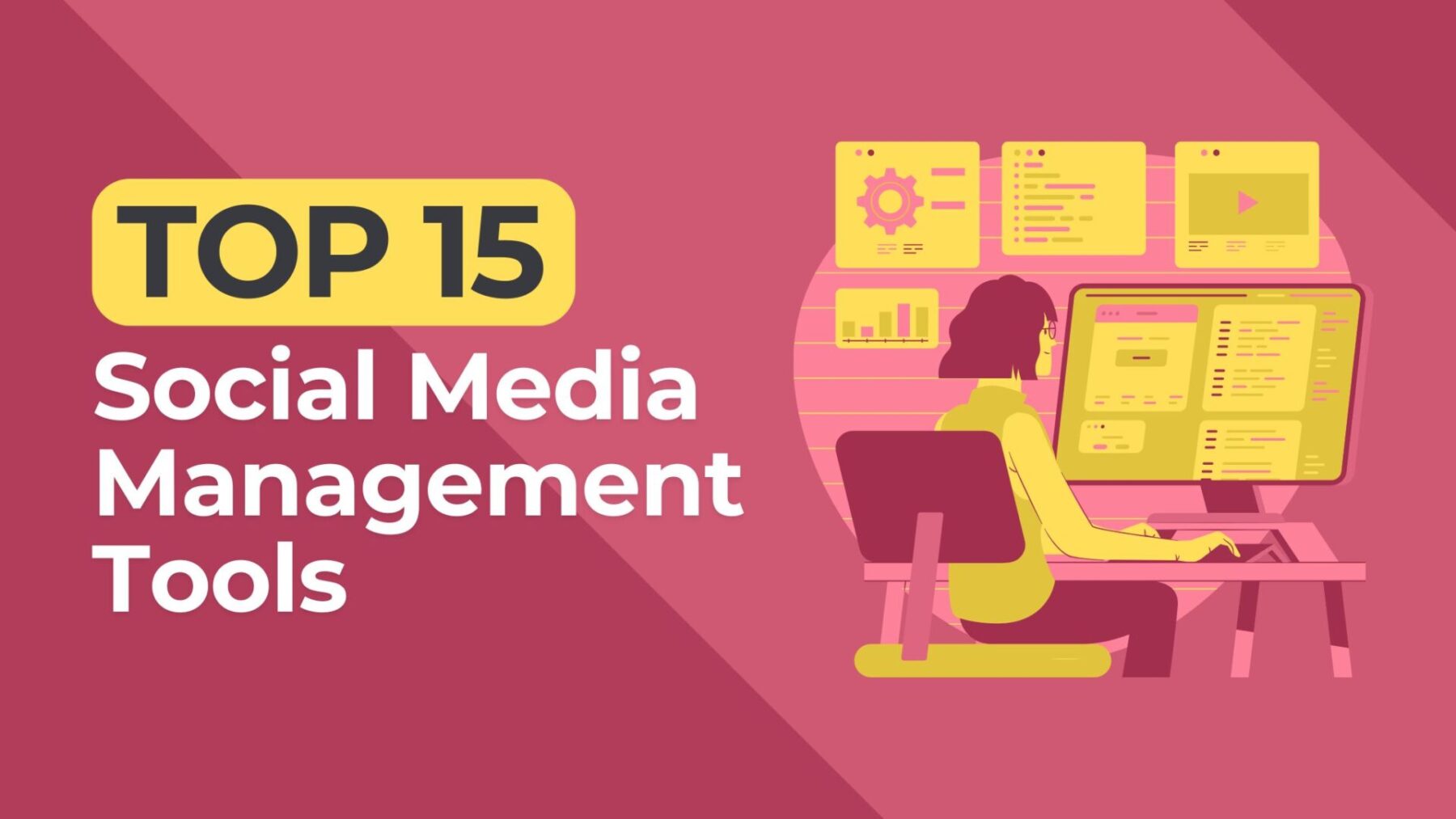
Below are 15 social media management tools worth shortlisting for 2026. Each is reviewed using a consistent mini-template, so you can compare them like-for-like and quickly identify which platforms genuinely fit your team’s structure, priorities, and level of complexity.

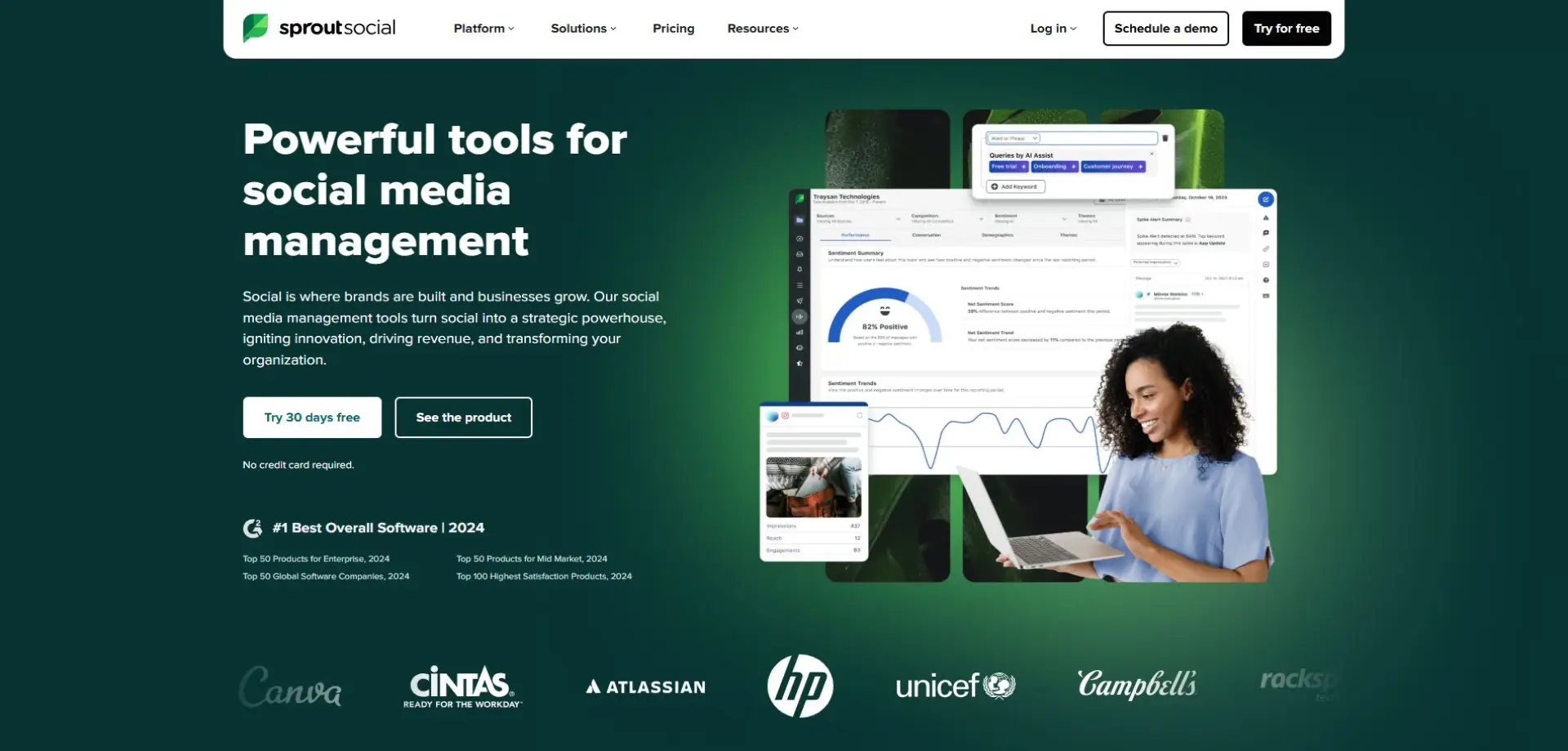
Best for (2026 fit): Sprout Social is best suited to mid-market brands and agencies that need strong reporting and a reliable social inbox without enterprise-level complexity. It works particularly well for teams where collaboration and stakeholder visibility matter. In 2026, it remains a strong choice for organisations that want structure without overengineering.
What it’s known for: Sprout Social is best known for its clean, executive-friendly analytics and unified inbox. It’s widely adopted because it balances usability with depth across publishing, engagement, and reporting. Many teams shortlist it specifically for the quality of its insights.
Standout features:
- Unified inbox for comments and DMs
- Scheduling and publishing with approval workflows
- Exportable reports and dashboards
- Listening features (plan dependent)
- Team collaboration tools
Channel coverage: Sprout Social supports all major social platforms used by most brands. Coverage is reliable, but teams should always confirm support for newer or fast-changing networks. This is especially important for platform-led strategies.
Workflows & governance: Roles, permissions, and approval flows make it suitable for multi-person teams and agency environments. These controls help reduce publishing risk and improve consistency. It’s particularly effective when multiple stakeholders are involved.
Reporting & measurement: Reporting is one of Sprout Social’s strongest areas, with dashboards designed for both practitioners and leadership. Performance summaries and exports reduce the need for manual reporting. This makes it easier to demonstrate value beyond vanity metrics.
Pricing & buying model: Pricing is typically per user, with tiered plans and optional add-ons. Costs can increase as teams scale or add advanced features. Best value is realised when reporting is heavily used.
Watch-outs:
- Can be expensive for very small teams
- Some advanced features depend on plan level
Who should shortlist it: If reporting quality, collaboration, and a dependable social inbox are high priorities.
Case studies: View all case studies
2. Hootsuite

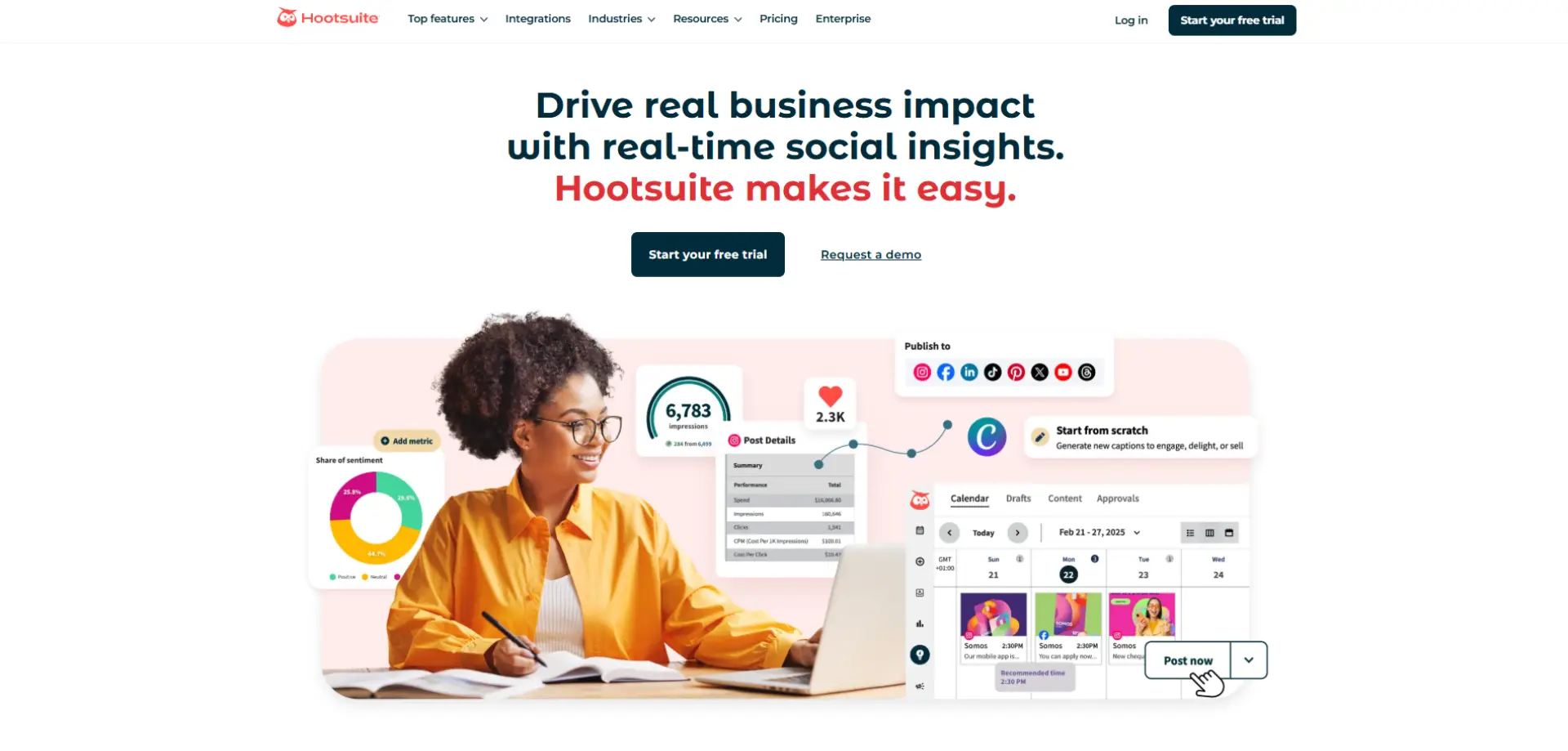
Best for (2026 fit): Hootsuite works well for teams that want a broad, all-in-one platform for scheduling, engagement, and monitoring. It’s particularly useful when marketing and customer responses are managed together. In 2026, it remains a familiar option for teams prioritising breadth.
What it’s known for: Hootsuite is one of the longest-standing social media management platforms on the market. It offers wide channel coverage and a recognisable dashboard-style interface. Many organisations choose it because it’s easy to onboard and widely supported.
Standout features:
- Scheduling and bulk publishing
- Engagement streams and inbox
- Team assignments and saved replies
- AI-assisted content support (plan dependent)
Channel coverage: Hootsuite supports most established social platforms. Coverage for newer or emerging channels can vary by plan and region. Validation is recommended if your strategy depends on newer networks.
Workflows & governance: The platform supports roles, permissions, and approvals, making it suitable for structured teams. Governance is solid for mid-sized organisations. Enterprise-level control may require add-ons.
Reporting & measurement: Analytics are reliable for content and channel performance tracking. Depth depends on subscription level. Many teams use exports for stakeholder reporting.
Pricing & buying model: Pricing is typically user-based, with tiered plans. Costs can rise quickly as teams grow. Careful licence planning helps manage spend.
Watch-outs:
- Feature depth varies significantly by plan
- Can feel less specialised than newer tools
Who should shortlist it: If you want a well-established, generalist platform with broad capability.
Case studies: View all case studies
3. Buffer
Best for (2026 fit): Buffer is ideal for small teams, startups, and creators who want simple, dependable scheduling. It suits organisations that value speed and clarity over complex workflows. In 2026, it remains a popular entry point into social tooling.
What it’s known for: Buffer is known for its clean interface and focus on consistency. It removes friction from day-to-day scheduling and queue management. Many teams use it to build sustainable publishing habits.
Standout features:
- Simple scheduling and queues
- Basic analytics and insights
- Team collaboration on higher tiers
Channel coverage: Buffer supports core social platforms used by most small teams. Coverage is sufficient for standard strategies. Niche platforms should be checked in advance.
Workflows & governance: Collaboration features are lightweight and best suited to small teams. Approval workflows are limited compared to enterprise tools. This keeps complexity low.
Reporting & measurement: Reporting is straightforward and practical. It’s designed for content performance rather than deep analytics. External tools may be needed for advanced measurement.
Pricing & buying model: Pricing is typically based on channels and plan tiers. Costs are predictable and accessible. Well-suited to budget-conscious teams.
Watch-outs:
- Limited governance and listening
- Not built for enterprise use
Who should shortlist it: If you want uncomplicated scheduling that’s easy to adopt.
Case studies: View all case studies
4. Later
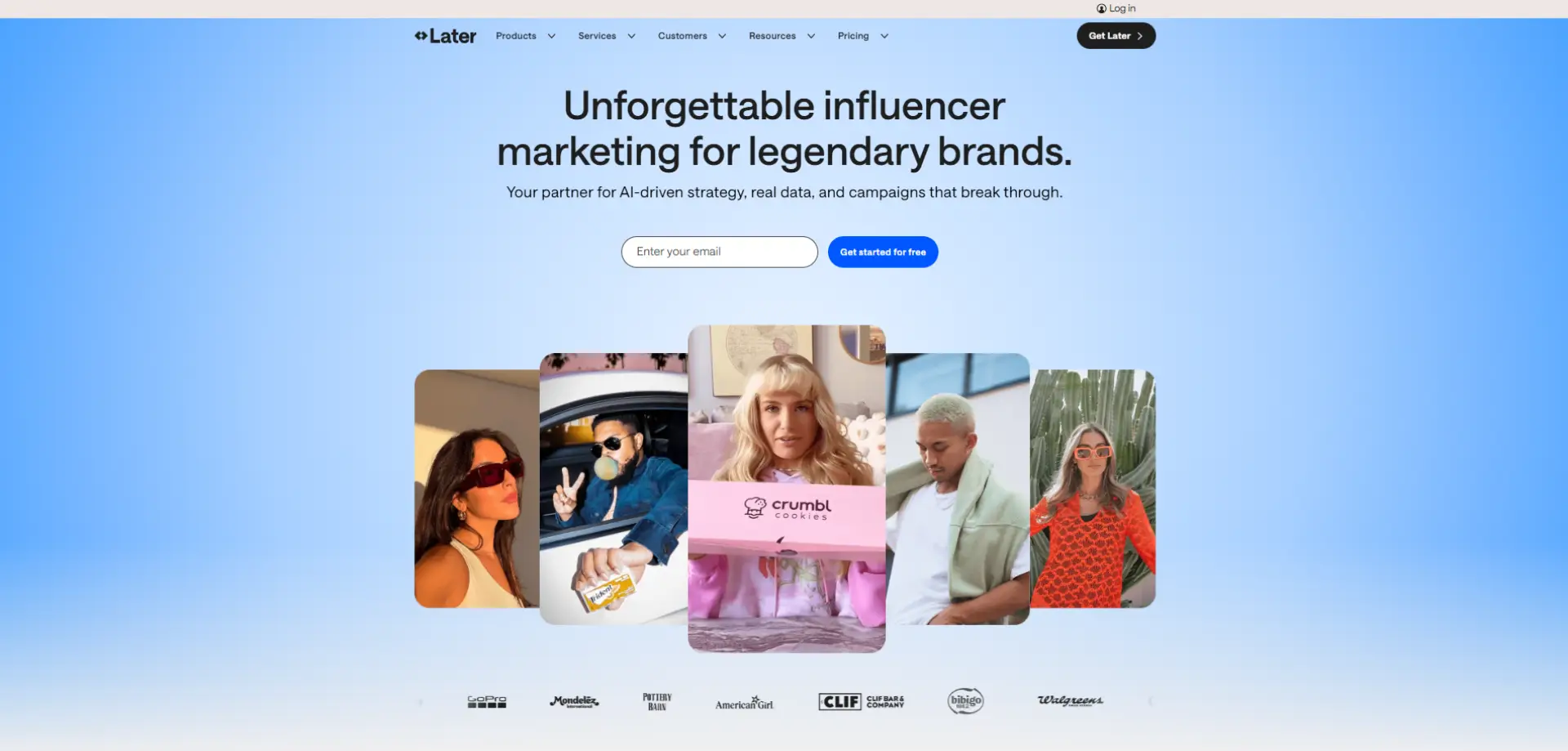
Best for (2026 fit): Later is a strong fit for content-led teams that prioritise planning and visual consistency. It works particularly well for brands producing high volumes of short-form or creator-style content. In 2026, it remains popular with social-first content teams.
What it’s known for: Later is best known for its visual planner and media library. It helps teams see how content fits together before publishing. This supports more intentional content strategies.
Standout features:
- Visual content calendar
- Media library and asset organisation
- Scheduling and publishing workflows
Channel coverage: Later supports major content-led platforms. Coverage continues to evolve as formats change. Teams should validate support for emerging channels.
Workflows & governance: Collaboration and review workflows are well-suited to content teams. Approval features reduce publishing errors. It’s less focused on customer care use cases.
Reporting & measurement: Reporting covers content and channel performance effectively. Depth varies by plan. Often supplemented with native analytics.
Pricing & buying model: Tiered pricing based on users and profiles. Costs scale predictably. Mid-range pricing overall.
Watch-outs:
- Limited customer care functionality
- Not designed for enterprise governance
Who should shortlist it:
If visual planning and content cadence are central to your workflow.
Case studies: View all case studies
5. Agorapulse
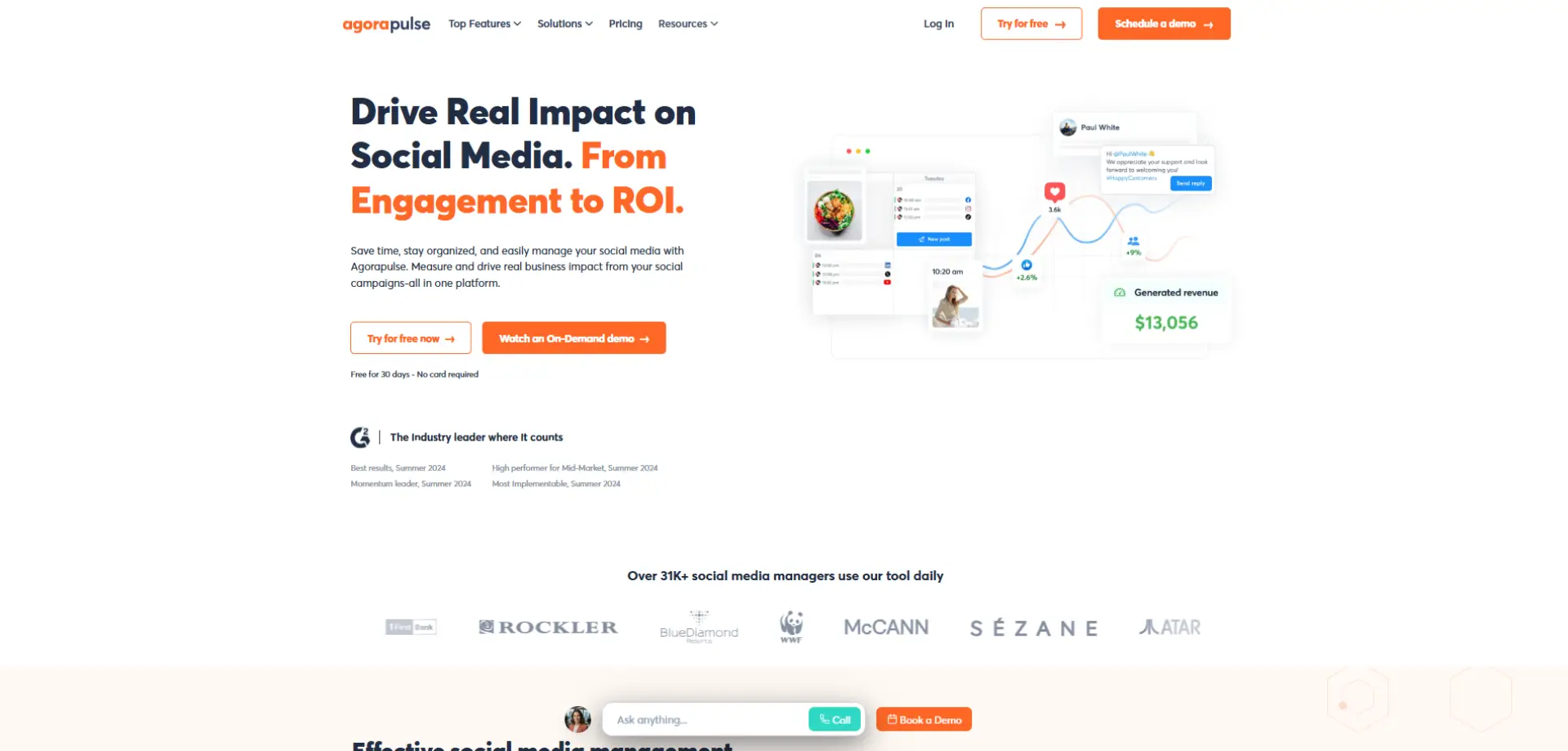
Best for (2026 fit): Agorapulse suits agencies and in-house teams managing multiple profiles and high engagement volumes. It’s particularly strong for community management. In 2026, it remains a dependable operational tool.
What it’s known for: Agorapulse is known for its structured social inbox and moderation features. It brings order to engagement-heavy environments. Many agencies rely on it for day-to-day reliability.
Standout features:
- Unified inbox and moderation tools
- Scheduling with approvals
- Client-ready reporting
Channel coverage:
Supports all major platforms required by most agencies. Coverage is consistent and reliable. Niche requirements should be checked.
Workflows & governance:
Approvals, roles, and tagging support structured operations. Well-suited to multi-account environments. Governance is practical rather than heavy.
Reporting & measurement: Reporting is designed for agencies and stakeholders. Exports are easy to use. Reduces manual reporting effort.
Pricing & buying model: Tiered pricing based on users and profiles. Agency plans sit at higher tiers. Fairly predictable scaling.
Watch-outs:
- Advanced listening requires other tools
Who should shortlist it: If inbox management and structured engagement matter most.
Case studies: View all case studies
6. SocialPilot
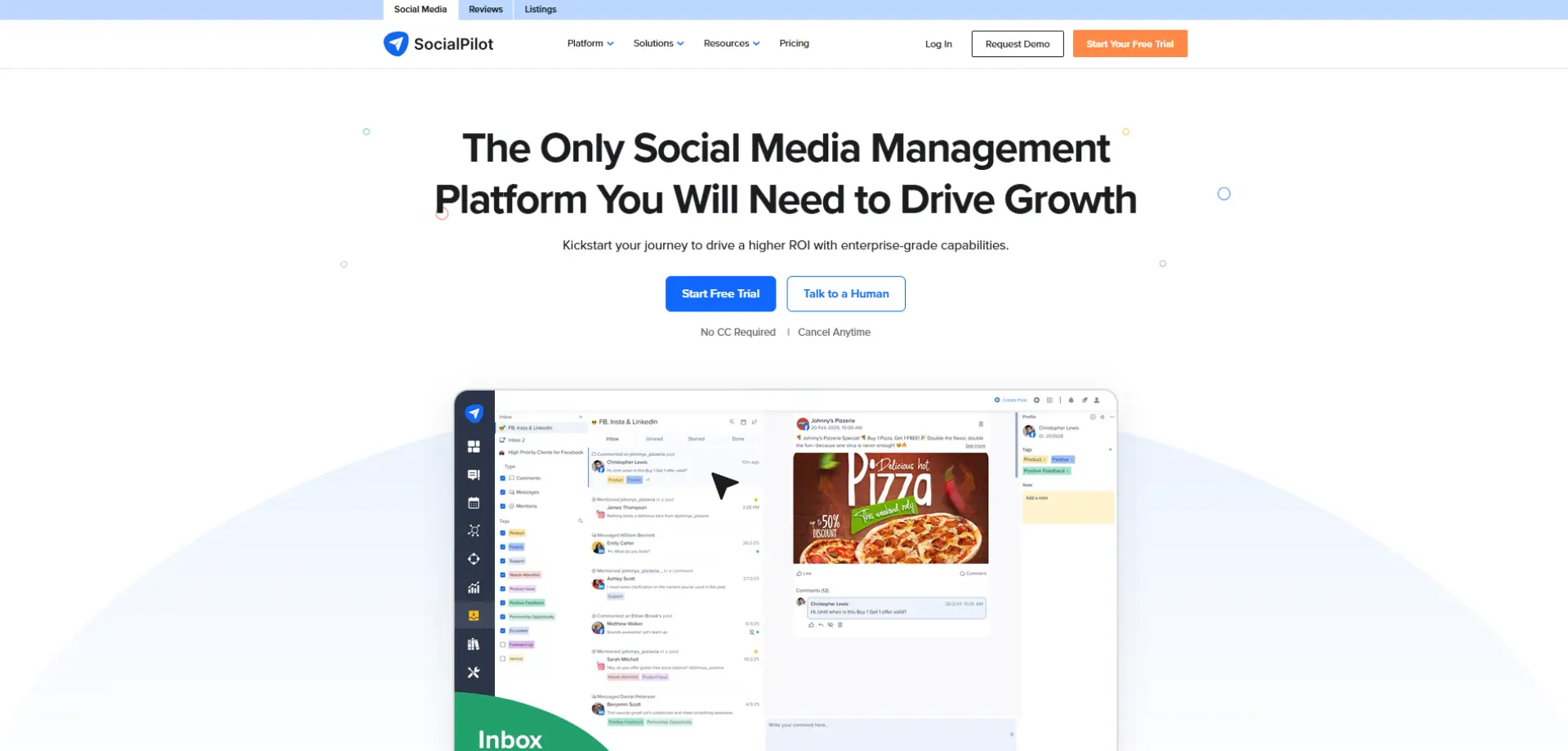
Best for (2026 fit): SocialPilot is ideal for budget-conscious teams needing multi-account publishing. It works well for small agencies and lean in-house teams. In 2026, it’s often chosen for value.
What it’s known for: SocialPilot is known for offering solid features at a lower price point. It focuses on scheduling and basic analytics. This makes it attractive for growing teams.
Standout features:
- Bulk scheduling
- Content library
- Basic analytics
Channel coverage: Covers most mainstream platforms. Suitable for standard strategies. Less emphasis on emerging networks.
Workflows & governance: Basic approvals and collaboration are available on higher plans. Governance is light. Best for small teams.
Reporting & measurement: Reporting covers essentials. Not as deep as premium tools. Adequate for operational needs.
Pricing & buying model: Lower-cost tiers compared to competitors. Predictable pricing. Strong value proposition.
Watch-outs:
- Limited advanced analytics
- Minimal listening features
Who should shortlist it: If cost efficiency is a top priority.
Case studies: View all case studies
7. Loomly
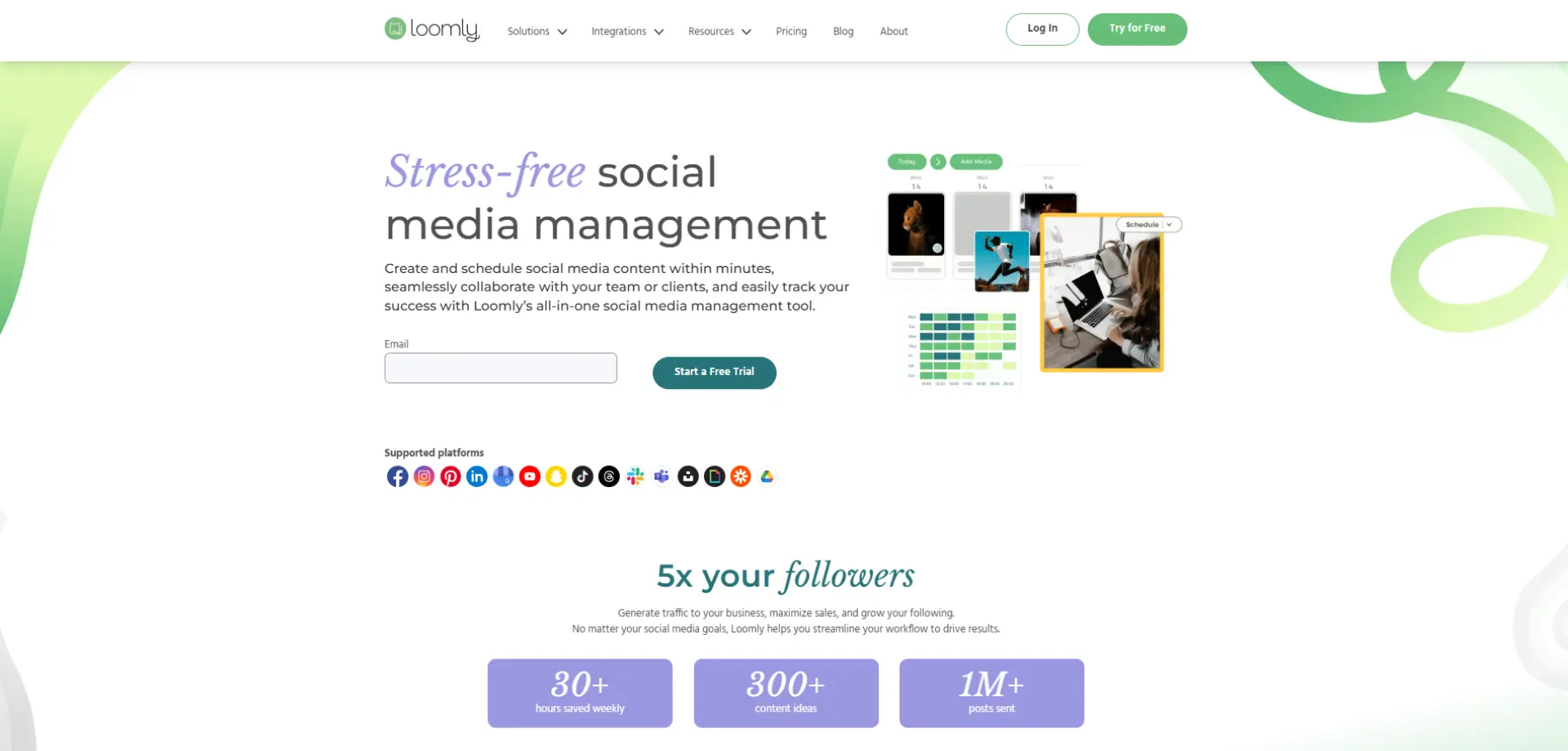
Best for (2026 fit): Loomly suits teams that value structured planning and approvals. It’s ideal for brands with editorial calendars and defined processes. In 2026, it remains popular with content operations teams.
What it’s known for: Loomly is known for guided workflows that support planning through to publishing. It helps reduce last-minute posting. This creates consistency.
Standout features:
- Content calendar and approvals
- Publishing workflows
- Collaboration tools
Channel coverage: Supports major platforms. Adequate for most brands. Specialist platforms should be checked.
Workflows & governance: Designed around approvals and controlled publishing. Strong for process-driven teams. Less focused on engagement management.
Reporting & measurement: Covers basic performance metrics. Reporting depth varies by plan. Often paired with native insights.
Pricing & buying model: Tiered pricing for teams and agencies. Scales reasonably. Mid-range costs.
Watch-outs:
- Limited listening and care features
Who should shortlist it: If approvals and planning discipline are key.
Case studies: View all case studies
8. Sendible


Best for (2026 fit): Sendible is well-suited to agencies managing multiple clients or locations. It supports repeatable workflows and reporting. In 2026, it remains agency-friendly.
What it’s known for: Sendible is known for simplifying multi-client management. Dashboards and reports are built with agencies in mind. This reduces admin overhead.
Standout features:
- Multi-client dashboards
- Scheduling and approvals
- Client-ready reporting
Channel coverage: Supports mainstream platforms. Works well for agency use cases. Regional checks recommended.
Workflows & governance: Approvals and permissions support agency workflows. Good balance of control and usability. Not overly complex.
Reporting & measurement: Strong for client reporting. Reduces manual formatting. Suitable for service delivery.
Pricing & buying model: Plans scale with users and clients. Agency tiers required for full value.
Watch-outs:
- Limited deep social listening
Who should shortlist it: If you manage social for multiple clients.
Case studies: View all case studies
9. Zoho Social

Best for (2026 fit): Zoho Social fits teams already using Zoho tools. It’s practical for SMBs wanting integrated workflows. In 2026, it’s strongest inside the Zoho ecosystem.
What it’s known for: Zoho Social is known for its CRM integration and value pricing. It supports core social tasks. Reduces tool sprawl.
Standout features:
- Scheduling and calendar planning
- Basic engagement tools
- Zoho CRM integration
Channel coverage: Covers common platforms. Suitable for SMB needs. Less focus on niche networks.
Workflows & governance: Supports basic collaboration. Adequate for small teams. Limited enterprise controls.
Reporting & measurement: Foundational reporting. Suitable for operational tracking. Advanced analytics may require other tools.
Pricing & buying model: Competitive pricing. Good value for Zoho users. Predictable costs.
Watch-outs:
- Less compelling outside Zoho ecosystem
Who should shortlist it: If Zoho is already your core platform.
Case studies: View all case studies
10. Metricool

Best for (2026 fit): Metricool is ideal for creators and small teams focused on optimisation. It suits performance-led strategies. In 2026, it’s often chosen for analytics clarity.
What it’s known for: Metricool is known for turning data into actionable insight. Reporting is user-friendly. Helps teams improve faster.
Standout features:
- Scheduling and planning
- Clear performance reporting
- Analytics exports
Channel coverage: Supports major platforms. Well-suited to creator strategies. Niche checks recommended.
Workflows & governance: Best for small teams. Limited approval workflows. Keeps complexity low.
Reporting & measurement: A standout strength. Clear dashboards. Excellent for optimisation.
Pricing & buying model: Accessible pricing tiers. Scales with needs. Creator-friendly.
Watch-outs:
- Limited enterprise governance
Who should shortlist it: If analytics usability matters most.
Case studies: View all case studies
11. Tailwind
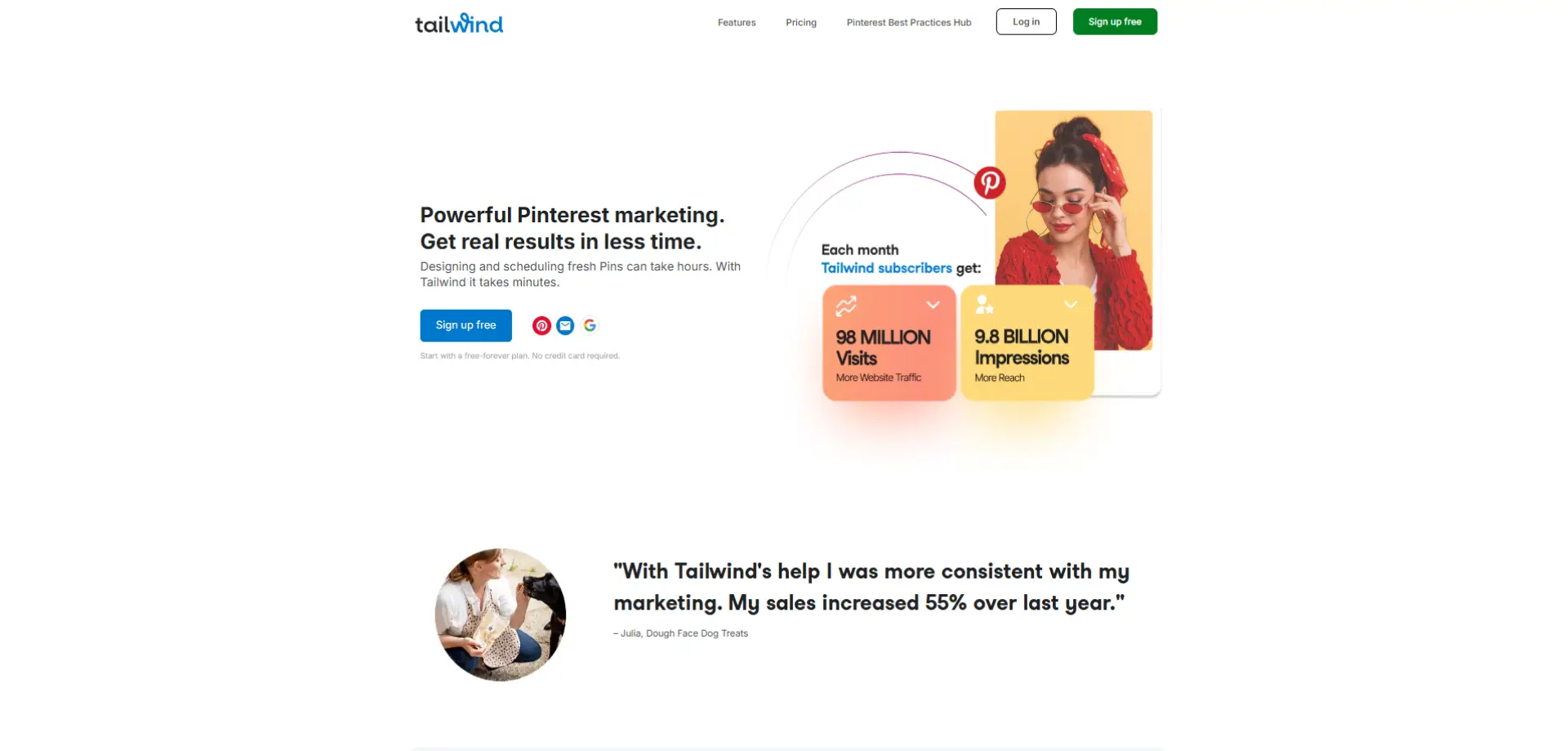
Best for (2026 fit): Tailwind suits Pinterest-led strategies. Ideal when Pinterest is a core acquisition channel. In 2026, it remains a specialist tool.
What it’s known for: Tailwind is known for Pinterest-first scheduling and planning. Built around platform cadence. Focused by design.
Standout features:
- Pinterest scheduling
- Queue-based planning
- Consistency tools
Channel coverage: Primarily Pinterest. Limited multi-network use. Best as a complement.
Workflows & governance: Lightweight workflows. Not enterprise-focused. Simple by intent.
Reporting & measurement: Useful Pinterest reporting. Platform-specific insight. Limited elsewhere.
Pricing & buying model: Accessible pricing. Niche value. Straightforward.
Watch-outs:
- Not a full-suite platform
Who should shortlist it: If Pinterest is business-critical,
Case studies: View all case studies
12. Brandwatch

Best for (2026 fit): Insight-driven organisations that treat social as a research channel. Ideal for comms, strategy, and research teams. In 2026, it remains a leader in social intelligence.
What it’s known for: Brandwatch is known for deep consumer and social insight. It supports trend, sentiment, and category analysis. Management tools complement this insight focus.
Standout features:
- Social listening
- Trend analysis
- Competitive insight
Channel coverage: Extensive listening coverage. Management capabilities depend on modules. Best assessed as part of a suite.
Workflows & governance: Supports cross-team insight sharing. Governance-ready.
Reporting & measurement: Excellent insight reporting. Publishing metrics depend on set-up.
Pricing & buying model: Enterprise pricing. Custom packages.
Watch-outs:
- More than needed for scheduling only
Who should shortlist it: If insight drives strategy.
Case studies: View all case studies
13. Meltwater
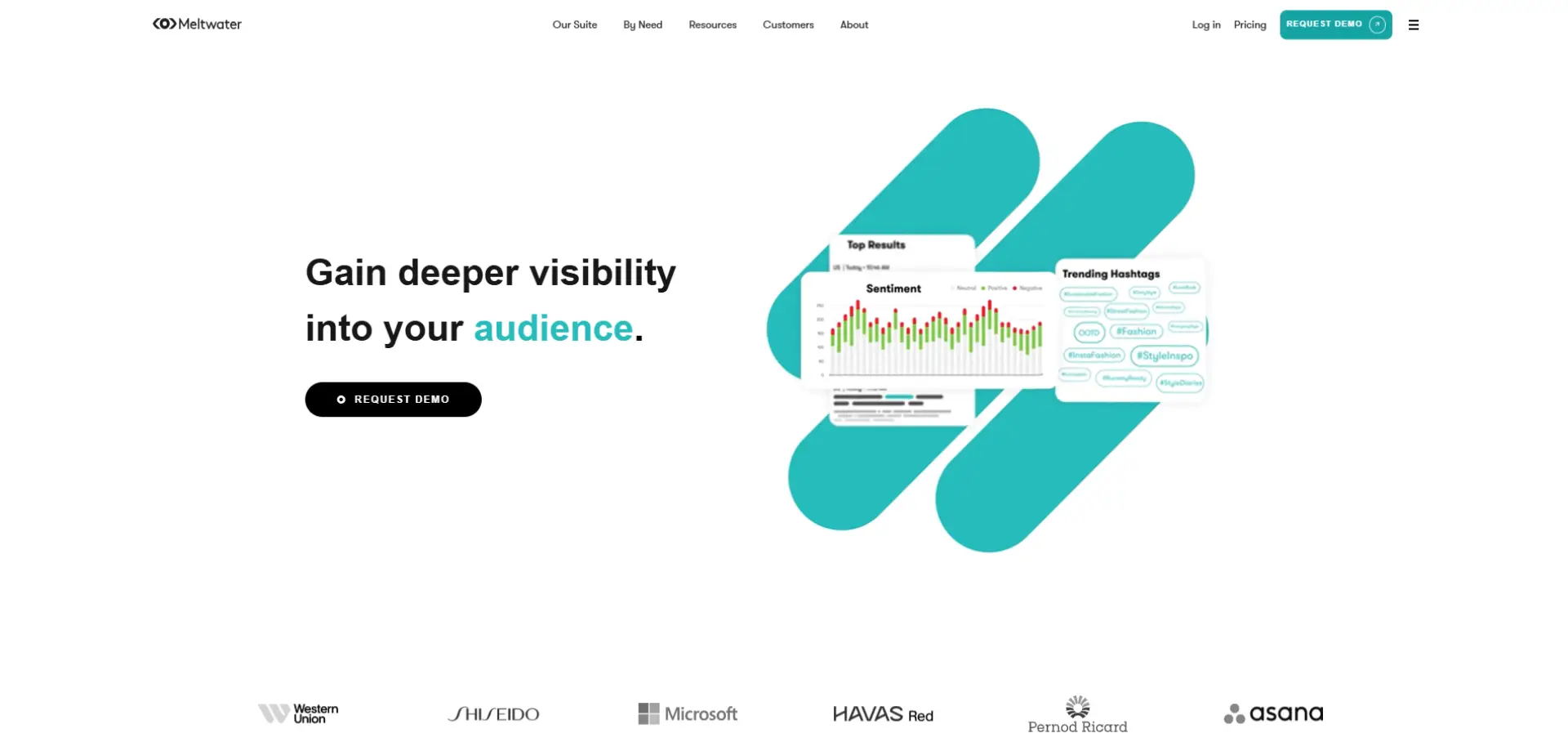
Best for (2026 fit): Organisations blending social management with PR and media intelligence. Particularly useful for comms-led teams. In 2026, it continues to bridge social and earned media.
What it’s known for: Meltwater is known for media monitoring and reputation management. Its social tools support broader comms goals. This makes it distinct from pure schedulers.
Standout features:
- Media monitoring
- Social publishing
- Reputation reporting
Channel coverage: Varies by module and region. Suitable for comms-focused strategies. Validate publishing depth.
Workflows & governance: Strong for comms governance. Suitable for regulated environments.
Reporting & measurement: Excellent for comms reporting. Social metrics depend on setup.
Pricing & buying model: Enterprise pricing. Modular.
Watch-outs:
- Not the simplest publishing tool
Who should shortlist it: If PR and social overlap heavily.
Case studies: View all case studies
14. Sprinklr Social

Best for (2026 fit): Large enterprises with complex governance and high volumes. It suits global organisations managing risk at scale. In 2026, it remains an enterprise heavyweight.
What it’s known for: Sprinklr is known for enterprise-grade governance and customer care. It supports structured, compliant operations. Often chosen for control rather than speed.
Standout features:
- Enterprise publishing
- Advanced care workflows
- Governance controls
Channel coverage: Very broad enterprise coverage. Supports global needs. Always validate regional specifics.
Workflows & governance: A core strength. Designed for risk-managed environments.
Reporting & measurement: Enterprise-grade reporting. Depends on implementation quality.
Pricing & buying model: Custom enterprise pricing.
Watch-outs:
- High complexity and cost
Who should shortlist it: If scale and compliance dominate.
Case studies: View all case studies
15. Emplifi
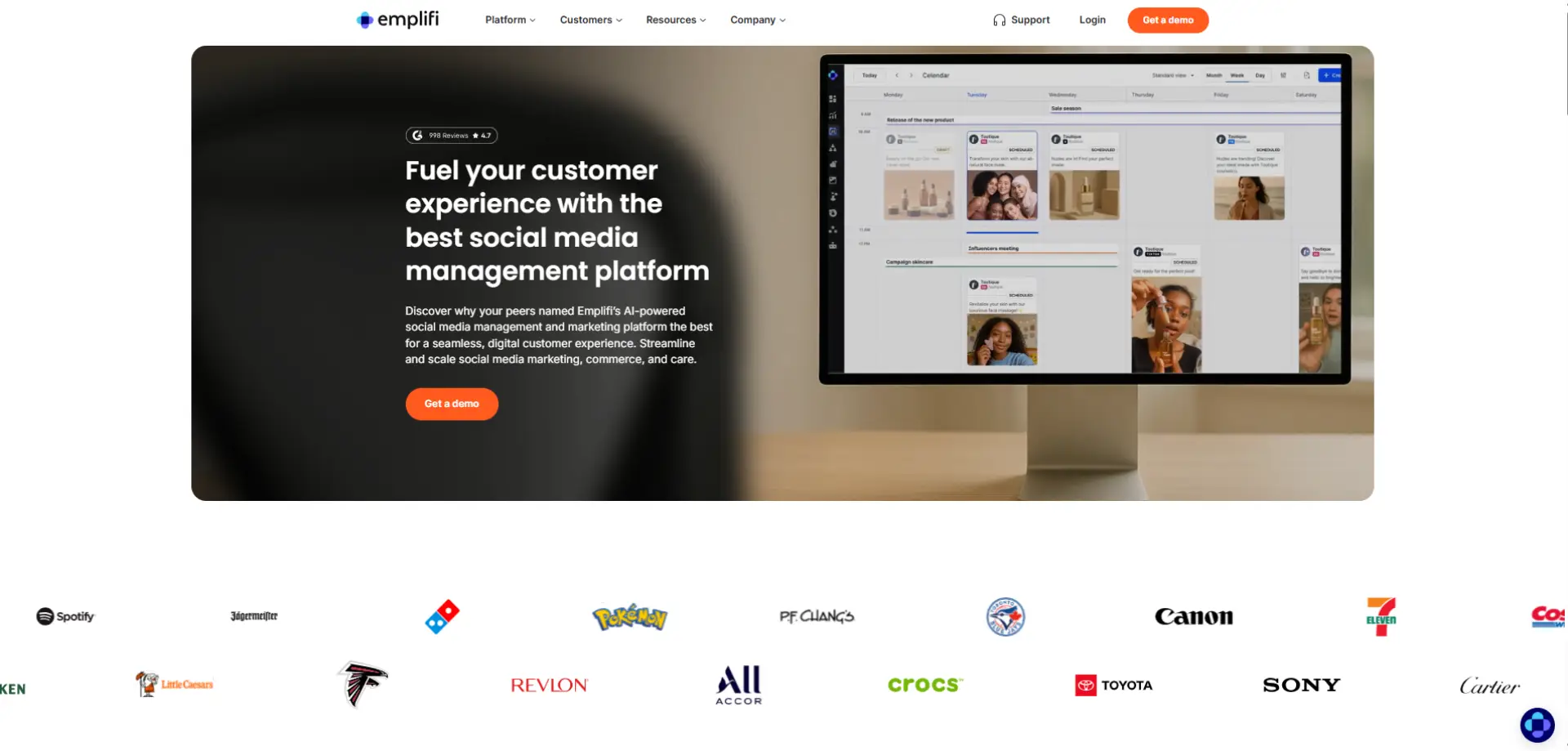
Best for (2026 fit): Mid-market and enterprise teams wanting a structured social suite. It works well for multi-brand and multi-region teams. In 2026, it sits between lightweight tools and heavy enterprise platforms.
What it’s known for: Emplifi is known for its suite-based approach to social marketing. It combines publishing, engagement, and analytics. This appeals to teams wanting consistency.
Standout features:
- Publishing workflows
- Engagement management
- Performance reporting
Channel coverage: Broad mainstream coverage. Suitable for most brand strategies. Check specialist needs.
Workflows & governance: Stronger than lightweight tools. Supports team processes.
Reporting & measurement: Clear performance reporting. Stakeholder-friendly.
Pricing & buying model: Mid-market to enterprise pricing. Often custom.
Watch-outs:
- May be more than small teams need
Who should shortlist it: If you want structure without extreme complexity.
Case studies: View all case studies
How We Evaluated and Shortlisted the Best Social Media Management Tools for 2026
- Use-case fit first: We started by looking at how teams actually use social media management tools day to day. Each platform on this list earns its place by clearly excelling in a specific context—such as SMB scheduling, agency workflows, enterprise governance, or insight-led social. Tools that tried to cover every scenario without being particularly strong in any one area were intentionally left out.
- Core capability coverage: Every tool needed to credibly support the basics: publishing and scheduling, engagement management, and performance reporting. Some specialist tools are included because they do one job exceptionally well (for example, Pinterest-first platforms), but in those cases the trade-off is made very clear. This ensures the list reflects real buying decisions, not theoretical feature sets.
- Workflow realism: We prioritised tools that make social media operations easier for real teams, not just solo users. That means approvals, roles and permissions, asset handling, and the ability to repeat processes without reinventing the wheel each time. If a platform looks powerful but creates unnecessary friction in practice, it scored lower.
- Channel and platform resilience: Social platforms change fast, so resilience matters. We favoured tools with a track record of adapting to new formats, API changes, and emerging networks, while still maintaining reliable support for core channels. Wherever channel support can vary by plan or region, we recommend validating requirements before committing.
- Value versus complexity: Finally, we balanced capability against operational overhead. The list deliberately includes both lightweight tools that are quick to adopt and enterprise platforms designed for scale and control. The goal isn’t to crown a single “best” tool, but to help you shortlist platforms that match your team size, risk tolerance, and ambition.
Choosing the Right Social Media Management Tool for Your Team
The best social media management tool in 2026 is the one that matches how your team actually works. If you’re a small team or creator, you’ll usually get the most value from simplicity and speed (Buffer, Metricool). If you’re an agency or multi-brand team, workflow structure and reporting matter more (Agorapulse, Sendible, Sprout). And if you’re operating at enterprise scale, governance and customer care workflows tend to decide the shortlist (Sprinklr, Brandwatch/Meltwater ecosystems).
If you need help choosing the right tool, integrating it into your wider martech stack, or designing social workflows that support real business goals, contact The Munro Agency. We work with organisations to align social strategy, tooling, and measurement—so social media isn’t just well managed, but genuinely effective.
FAQs
A social media management tool is software that helps teams plan, publish, manage, and measure social content across multiple platforms from one place. It typically includes scheduling, a social inbox, collaboration features, and analytics. In 2026, many tools also support governance, customer care, and social listening.
There is no single best social media management tool for 2026, as the right choice depends on your team size, channels, and objectives. Small teams often prefer tools like Buffer or Metricool, agencies tend to favour Sprout Social or Agorapulse, and enterprises commonly shortlist Sprinklr or Brandwatch-led suites. The “best” tool is the one that fits how your team actually works.
To choose the right platform, start with your primary use case: publishing efficiency, community management, reporting, or governance. Next, confirm that the tool supports your priority channels and approval workflows. Finally, assess reporting depth, scalability, and whether your team can realistically manage the platform day to day.
No, social media management tools are no longer just scheduling platforms. Modern tools also support engagement management, customer care, approvals, analytics, and sometimes social listening or media intelligence. Scheduling is now just one part of a broader social operations toolkit.
You don’t need an agency to choose a tool, but many organisations benefit from expert support. An agency can help assess requirements, avoid over- or under-buying, design workflows, and integrate social tools with analytics or CRM systems. This is especially valuable for agencies, multi-brand teams, and enterprise environments.