Marketing automation in 2026 is no longer about setting up a handful of email drips and moving on. It’s about orchestrating relevant, timely interactions across the entire customer lifecycle, using behaviour, data, and intent to guide every touchpoint. As customer expectations rise and technology stacks grow more complex, marketing automation has become a core part of how organisations drive growth.
Modern platforms go far beyond email. They support multi-step journeys across channels such as email, web, SMS, in-app messaging, paid media, and sales handoffs, while integrating closely with CRMs, ecommerce platforms, and customer data environments. Just as importantly, they’re expected to handle governance, consent, reporting, and optimisation without creating unnecessary operational burden.
That’s why choosing the right marketing automation system matters more than ever. The wrong choice can slow teams down or lock them into costly complexity, while the right platform can enable faster execution, clearer measurement, and stronger alignment across marketing, sales, and customer experience. Below are 17 marketing automation systems worth shortlisting for 2026, spanning B2B demand generation, ecommerce lifecycle marketing, and enterprise-scale cross-channel orchestration.

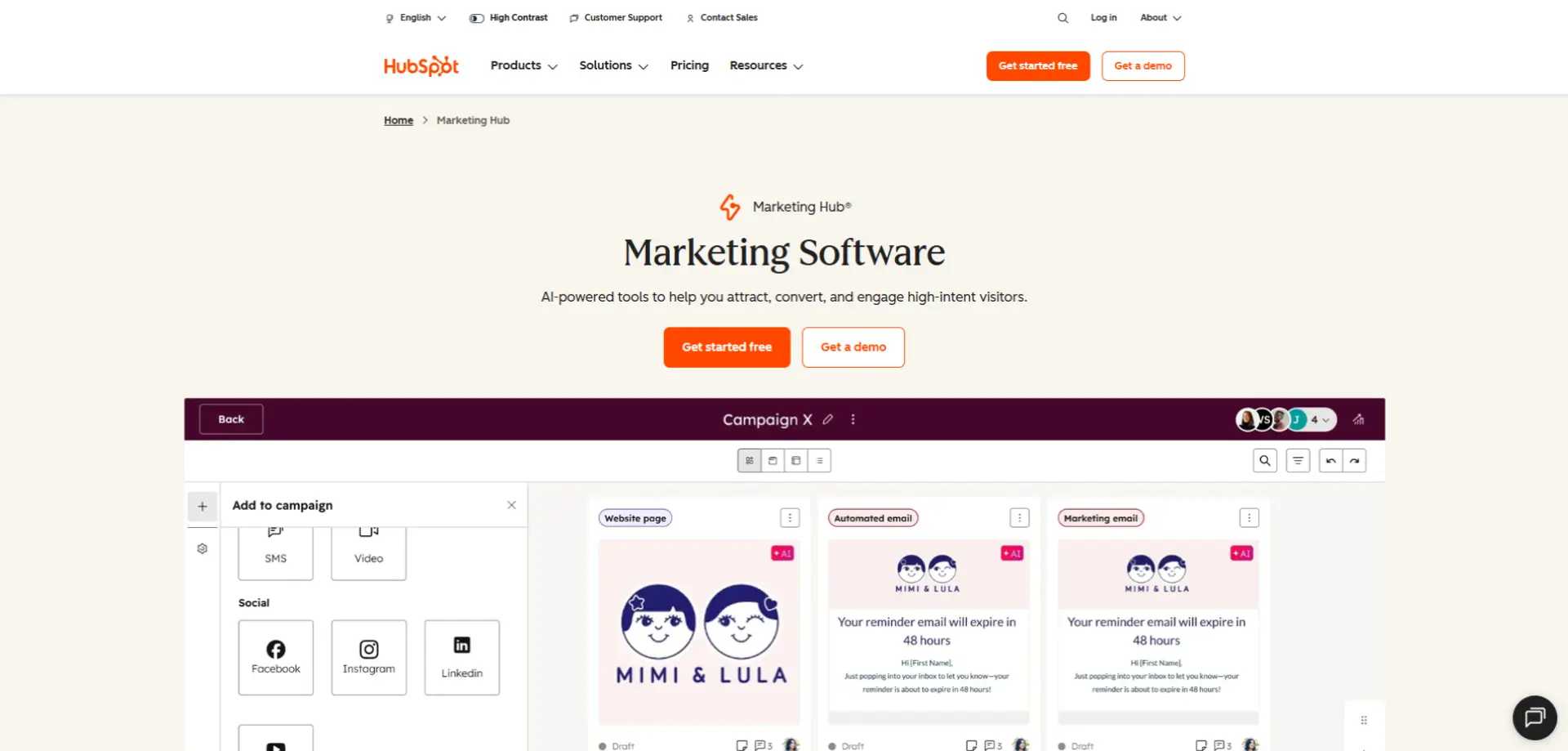
Best for (2026 fit): B2B and hybrid teams who want automation tightly tied to CRM without a heavy martech build. It works particularly well for organisations that value speed, usability, and alignment between marketing and sales. In 2026, it remains a strong choice for teams that want sophistication without specialist overhead.
What it’s known for: HubSpot is best known for bringing CRM, marketing automation, and reporting into a single, coherent platform. This reduces dependency on complex integrations and makes lifecycle visibility easier to achieve. It consistently appeals to teams who want automation that “just works” day to day.
Standout automation features: The platform offers a highly accessible visual workflow builder that supports multi-step logic and branching. Automation spans email, internal notifications, list management, and CRM updates in one place. This makes it easier to maintain and evolve journeys as strategies change.
Integrations & ecosystem: HubSpot has a large and mature marketplace that supports most common marketing, sales, and data tools. Native integrations reduce technical effort for many teams. The ecosystem is especially helpful as requirements grow beyond the core platform.
Reporting & measurement: Reporting is strongest when HubSpot CRM is used as the central data source. Campaign and workflow performance can be tied back to contacts, deals, and lifecycle stages. This supports clearer revenue conversations with sales teams.
Pricing & buying model: Pricing is tiered by feature set and contact volume, with advanced automation locked behind higher plans. Costs can increase as databases grow. Budget planning is important to avoid surprises over time.
Watch-outs: Can get pricey at scale; very complex enterprise orchestration may need something heavier.
Who should shortlist it: If speed-to-value matters and you want fewer systems to stitch together.
Case studies: View all case studies

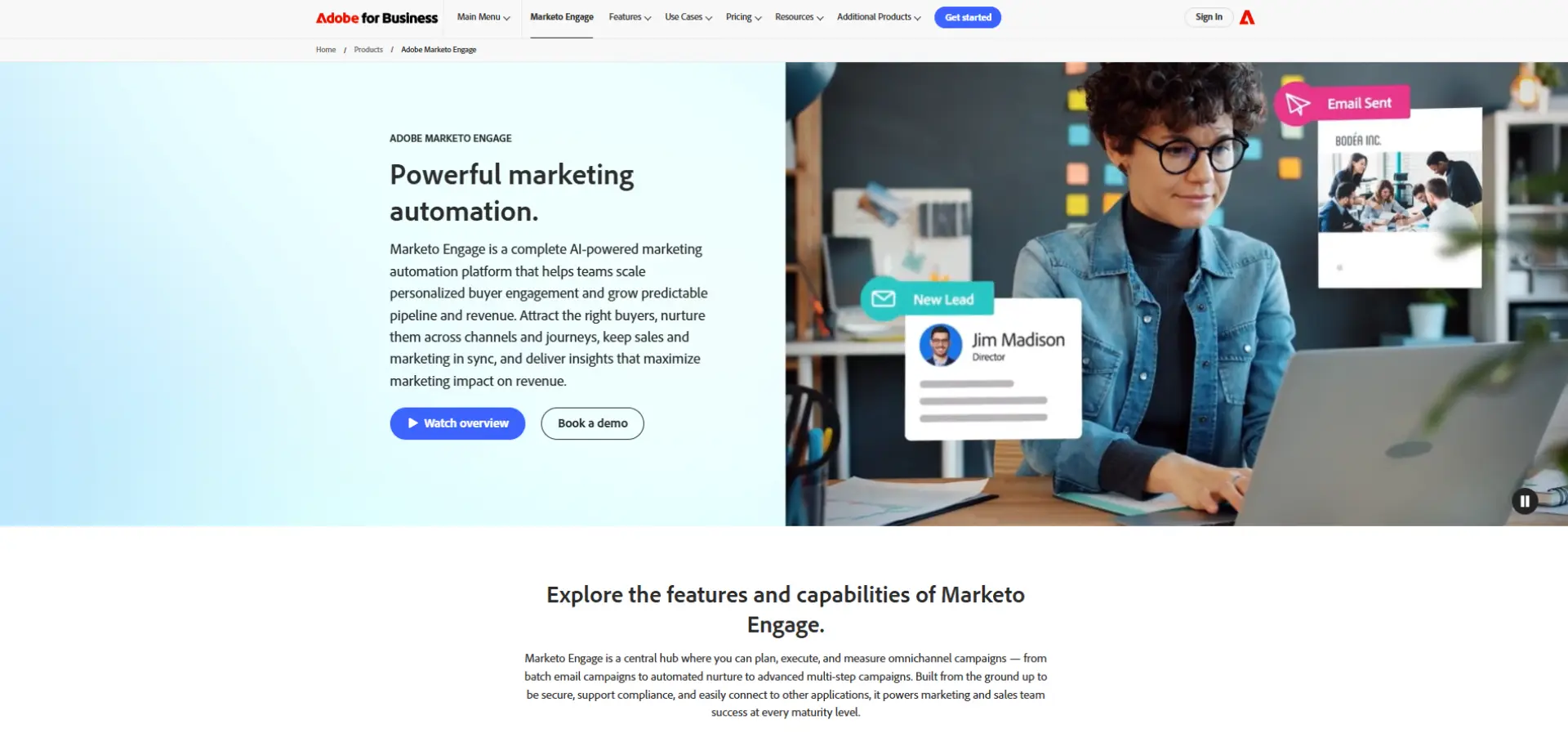
Best for (2026 fit): Enterprise B2B organisations running complex, multi-region funnels. It suits teams with mature operations functions and established marketing processes. In 2026, it remains a powerhouse for structured demand generation.
What it’s known for: Marketo is widely recognised for its depth in B2B automation and lead management. It excels at handling scale, complexity, and governance requirements. Many large organisations rely on it as a long-term backbone.
Standout automation features: Marketo supports advanced nurture programmes, scoring models, and reusable programme templates. Tokens and modular logic allow teams to manage large volumes of campaigns efficiently. This makes it well suited to global operations.
Integrations & ecosystem: It integrates well with enterprise CRMs and data tools. Marketo is often embedded in broader Adobe or enterprise martech stacks. Integration strategy is a key part of success.
Reporting & measurement: Operational reporting is strong, particularly for lead and programme performance. Attribution often requires complementary tools or careful configuration. Many teams pair it with BI or analytics platforms.
Pricing & buying model: Pricing reflects its enterprise positioning and depth. Implementation and ongoing admin resourcing should be factored into total cost. It is rarely a “plug and play” solution.
Watch-outs: Steeper learning curve; admin time adds up without clean processes.
Who should shortlist it: If you need industrial-strength B2B automation and can resource operations properly.
Case studies: View all case studies
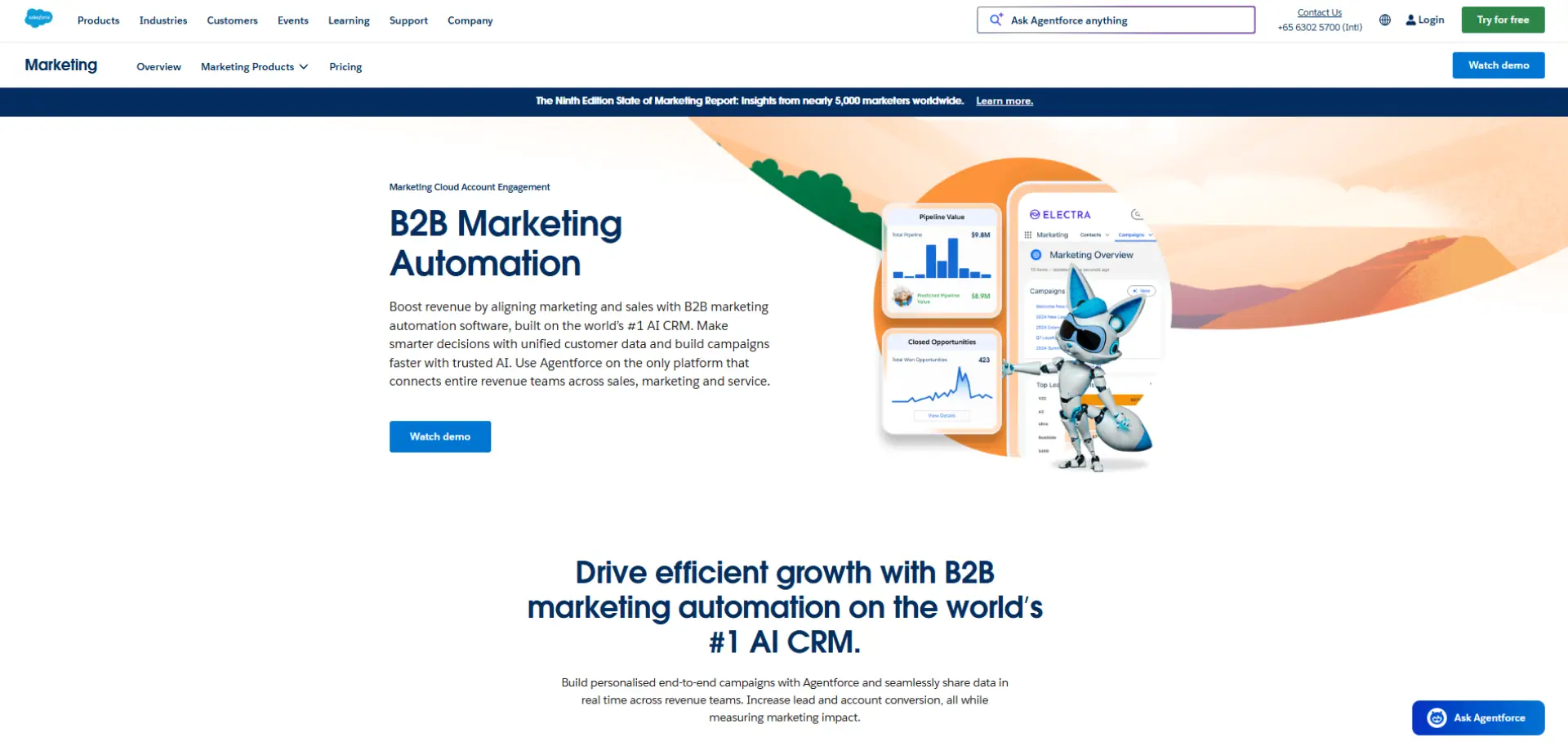
Best for (2026 fit): B2B teams operating primarily inside Salesforce. It’s particularly useful where sales alignment and pipeline reporting are critical. In 2026, it remains a solid option for Salesforce-led organisations.
What it’s known for: Account Engagement is known for its native Salesforce integration and B2B focus. It brings lead nurturing and scoring directly into the Salesforce environment. This simplifies collaboration between marketing and sales.
Standout automation features: Engagement programmes support structured nurturing over time. Automation rules allow marketers to react to behaviour and data changes. Scoring and grading help prioritise sales follow-up.
Integrations & ecosystem: Tight Salesforce integration is the main strength. Additional tools can be layered via the Salesforce ecosystem. Success depends heavily on Salesforce data quality.
Reporting & measurement: Reporting is strongest when built around Salesforce objects and pipeline stages. It supports clear visibility into lead contribution. Custom reporting is often needed for deeper insight.
Pricing & buying model: Typically sold as part of Salesforce packages or editions. Costs vary depending on features and scale. Negotiation is common at enterprise level.
Watch-outs: Complex Salesforce orgs can slow changes; some teams want more modern journey tooling.
Who should shortlist it: If Salesforce is your centre of gravity and B2B pipeline is the core KPI.
Case studies: View all case studies
4. SAP Emarsys
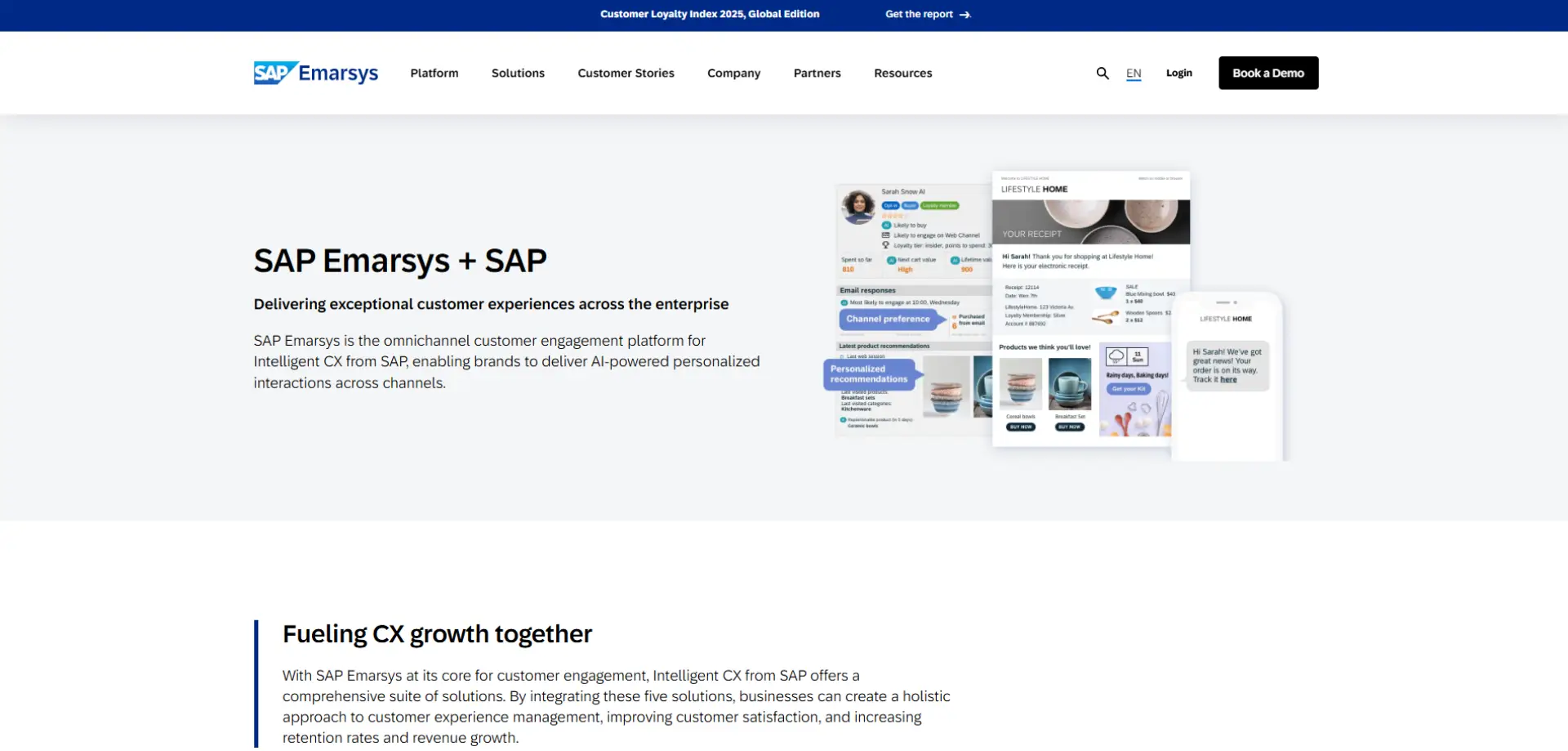
Best for (2026 fit): Enterprise and upper mid-market B2C organisations that need sophisticated, omnichannel lifecycle marketing without building everything from scratch. It is particularly strong for retail, ecommerce, and consumer brands operating across multiple regions. In 2026, it continues to appeal to teams that want scale with speed.
What it’s known for: SAP Emarsys is best known for combining customer data, automation, and pre-built lifecycle strategies in a single platform. It places a strong emphasis on outcome-driven use cases such as customer acquisition, retention, and reactivation. This makes it attractive to teams that want structure as well as flexibility.
Standout automation features: Emarsys offers a visual automation centre with pre-built “tactics” aligned to common lifecycle goals. Journeys span email, SMS, mobile, web, and paid channels with AI-assisted decisioning. The platform is designed to reduce manual orchestration while maintaining personalisation.
Integrations & ecosystem: As part of the SAP ecosystem, Emarsys integrates well with SAP Commerce and customer data tools. It also supports integrations with common ecommerce, CRM, and data platforms. This makes it viable both inside and outside SAP-heavy environments.
Reporting & measurement: Reporting focuses on business outcomes such as revenue, engagement, and lifecycle performance. Dashboards are designed for marketers rather than analysts. More advanced analysis can be layered in via external BI tools.
Pricing & buying model: Pricing is enterprise-oriented and typically based on contact volume and modules. Implementation effort is moderate compared to some enterprise platforms. Value tends to improve as journey complexity increases.
Watch-outs: Less suited to complex B2B lead management or long sales cycles; some AI features work best with large datasets.
Who should shortlist it: If you’re a consumer brand that wants enterprise-grade omnichannel automation without heavy custom build.
Case studies: View all case studies
5. Brevo
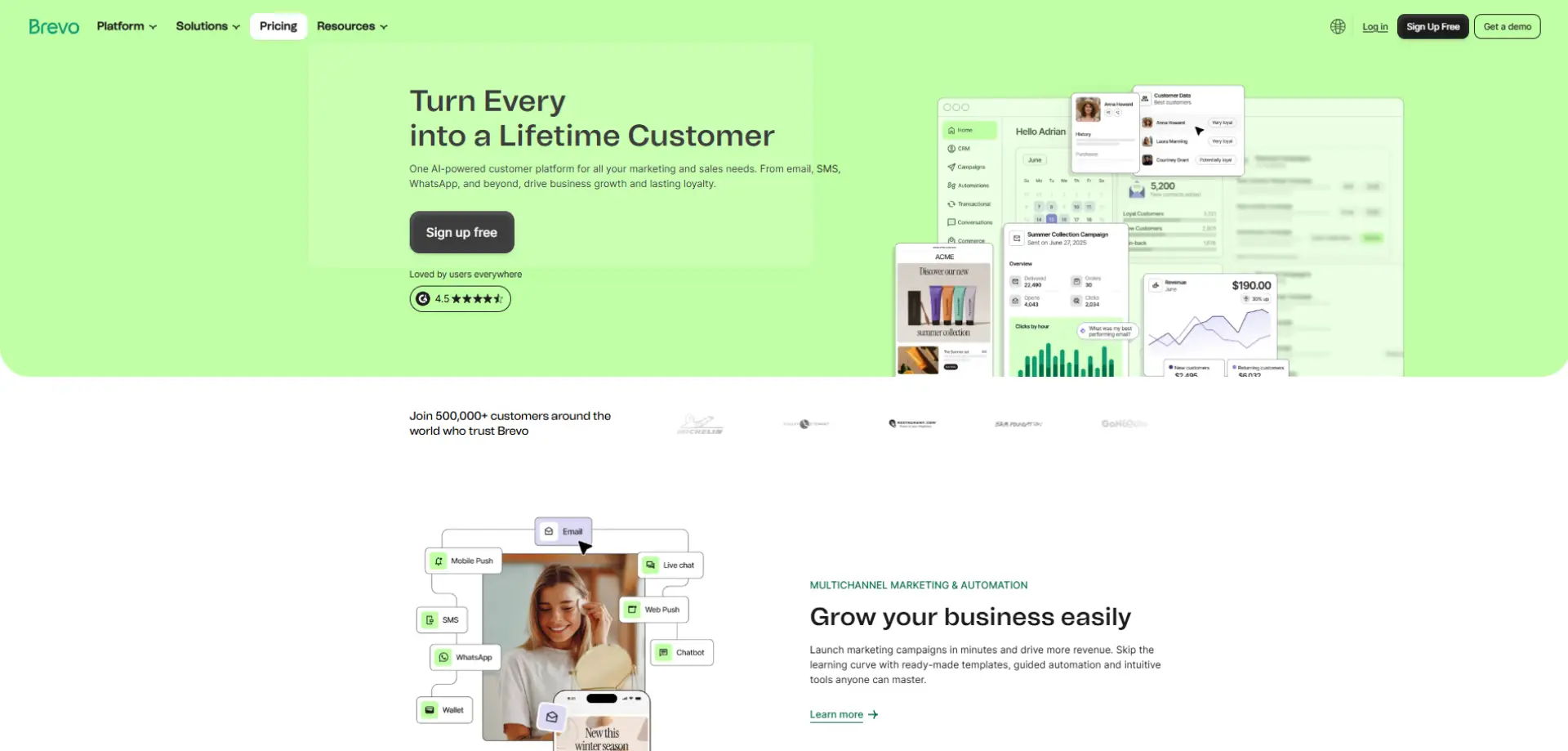
Best for (2026 fit): Growing SMBs and mid-market organisations that need multi-channel marketing automation without enterprise complexity or cost. It works particularly well for teams balancing email, SMS, and transactional messaging in one platform. In 2026, it remains a strong value-led alternative to heavier suites.
What it’s known for: Brevo is best known for combining marketing automation, email, SMS, and transactional messaging in a single, accessible platform. It has evolved beyond its email roots into a credible lifecycle automation tool. The rebrand reflects its broader ambition in customer engagement.
Standout automation features: Brevo offers a visual workflow builder supporting behavioural triggers and multi-step journeys. Automation spans email, SMS, WhatsApp, and basic CRM-style actions. This makes it suitable for practical, revenue-focused lifecycle use cases.
Integrations & ecosystem: Integrates well with common CMS, ecommerce, and CRM platforms. The ecosystem is SMB-friendly and easy to extend. Setup typically requires minimal technical effort.
Reporting & measurement: Reporting focuses on engagement, deliverability, and conversion metrics. Dashboards are straightforward and marketer-friendly. More advanced attribution may require external tools.
Pricing & buying model: Pricing is generally competitive and transparent, often based on message volume rather than contacts. This makes costs easier to predict as databases grow. It is widely seen as good value for money.
Watch-outs: Less suited to enterprise-scale orchestration or complex data models; advanced personalisation is more limited than premium platforms.
Who should shortlist it: If you want affordable, multi-channel automation that’s easy to run and quick to launch.
Case studies: View all case studies
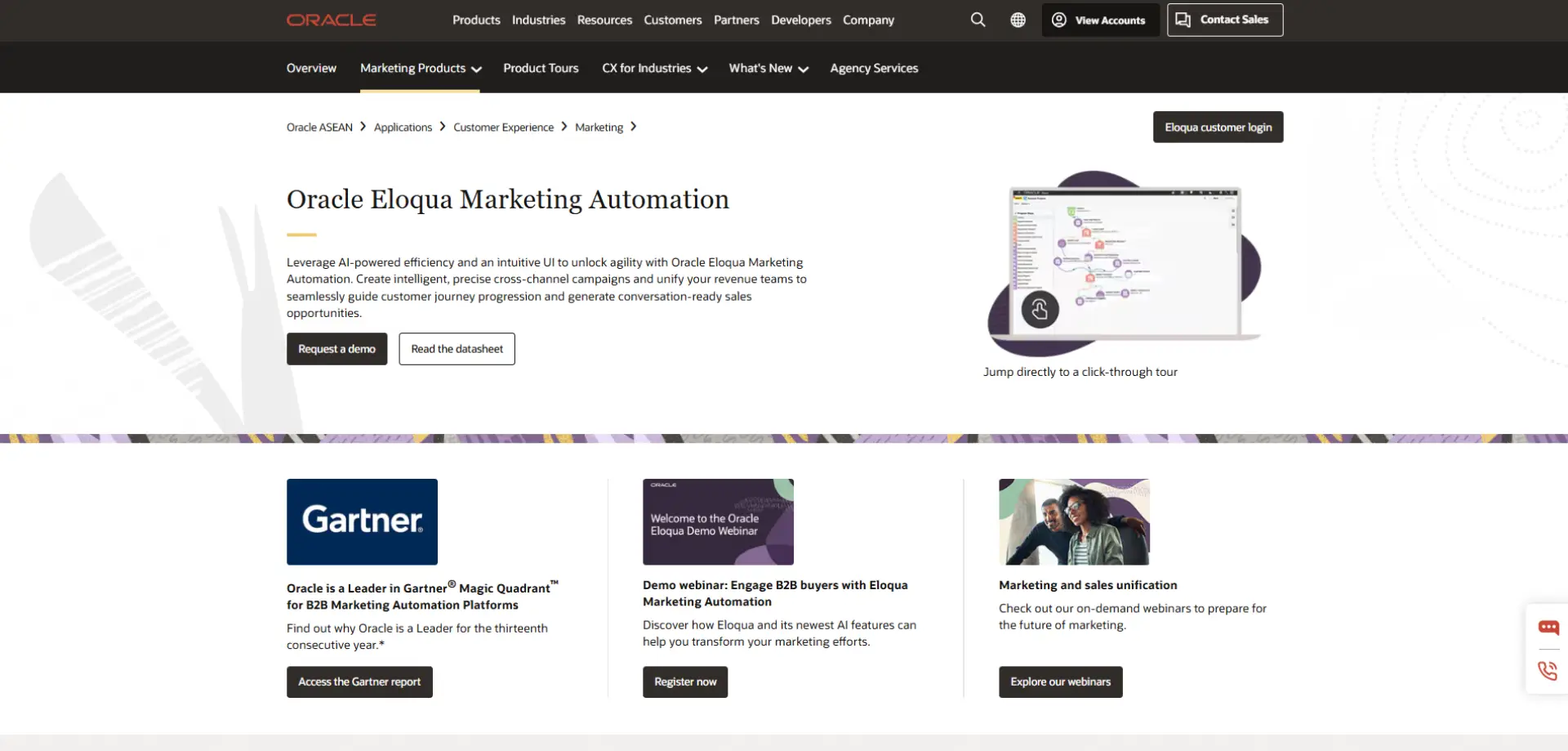
Best for (2026 fit): Global enterprise B2B organisations with complex governance needs. It suits teams managing large databases and long sales cycles. In 2026, it remains a robust enterprise option.
What it’s known for: Eloqua is known for its depth, structure, and control. It supports highly detailed segmentation and campaign logic. Many enterprises value its predictability.
Standout automation features: Campaign Canvas allows for advanced branching and decisioning. Lead routing and segmentation are highly configurable. This supports large-scale programme management.
Integrations & ecosystem: Often used within broader Oracle or enterprise ecosystems. Integrations are typically custom or partner-led. Planning is essential.
Reporting & measurement: Strong operational reporting. Attribution often depends on complementary analytics solutions. Reporting maturity varies by organisation.
Pricing & buying model: Enterprise pricing with significant implementation effort. Long-term ROI depends on usage discipline. Not suited to lightweight needs.
Watch-outs: Heavier implementation; needs skilled admins.
Who should shortlist it: If you’re running global B2B programmes with strict governance needs.
Case studies: View all case studies
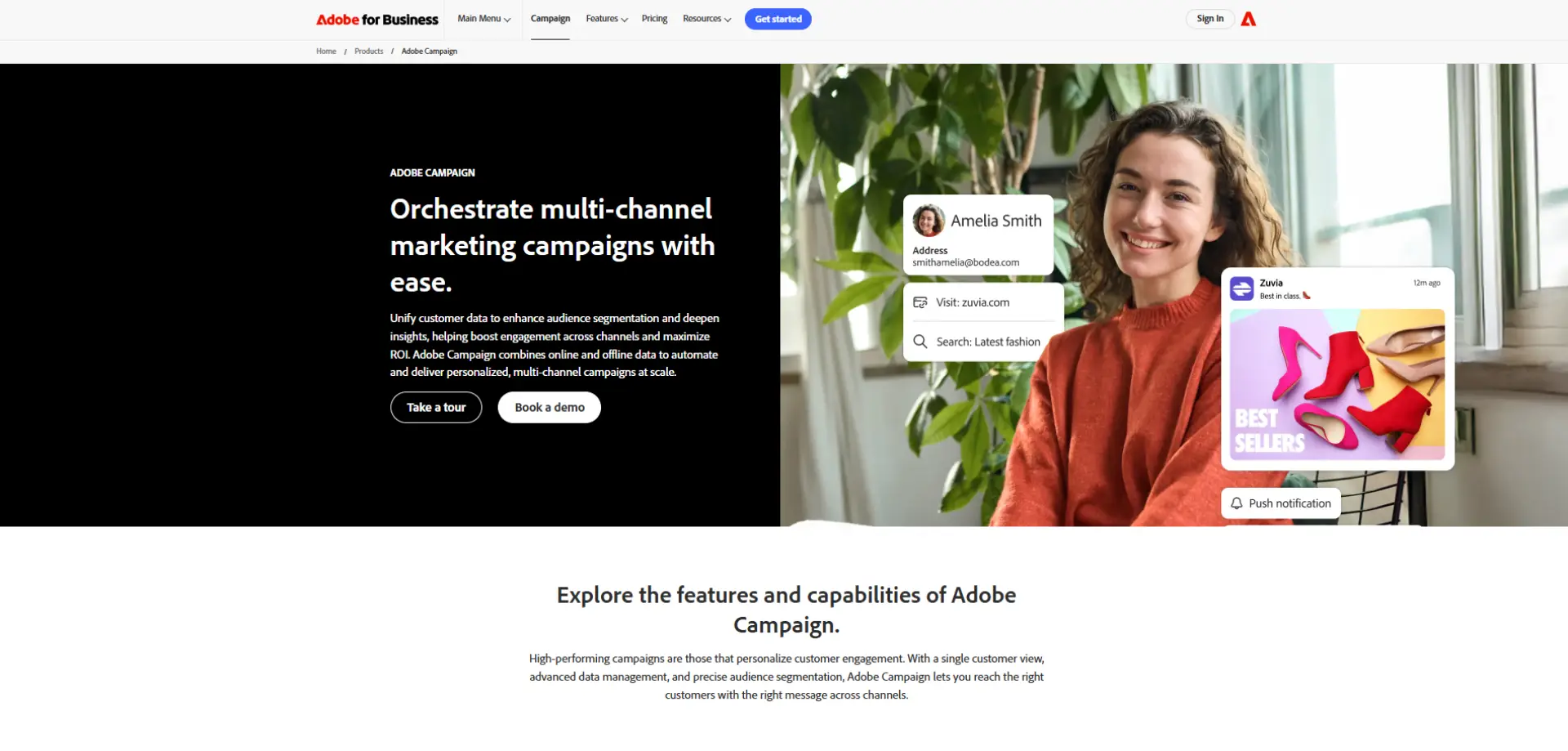
Best for (2026 fit): Enterprises running high-volume, multi-channel campaigns. Particularly relevant where operational control and compliance matter. Often used alongside other Adobe tools.
What it’s known for: Adobe Campaign is known for campaign execution at scale. It supports complex segmentation and orchestration. It’s a staple in some enterprise environments.
Standout automation features: Multi-channel campaign workflows and audience management. Strong operational controls. Designed for scale rather than speed.
Integrations & ecosystem: Works best within Adobe Experience Cloud. Integration outside that ecosystem may require effort. Adobe alignment is a key factor.
Reporting & measurement: Reporting depends on Adobe analytics configuration. Can be powerful when fully integrated. Setup quality matters.
Pricing & buying model: Enterprise pricing. Implementation and specialist skills are usually required. Best suited to long-term programmes.
Watch-outs: Implementation complexity; best with specialist support.
Who should shortlist it: If you need enterprise-grade campaign operations and already lean Adobe.
Case studies: View all case studies

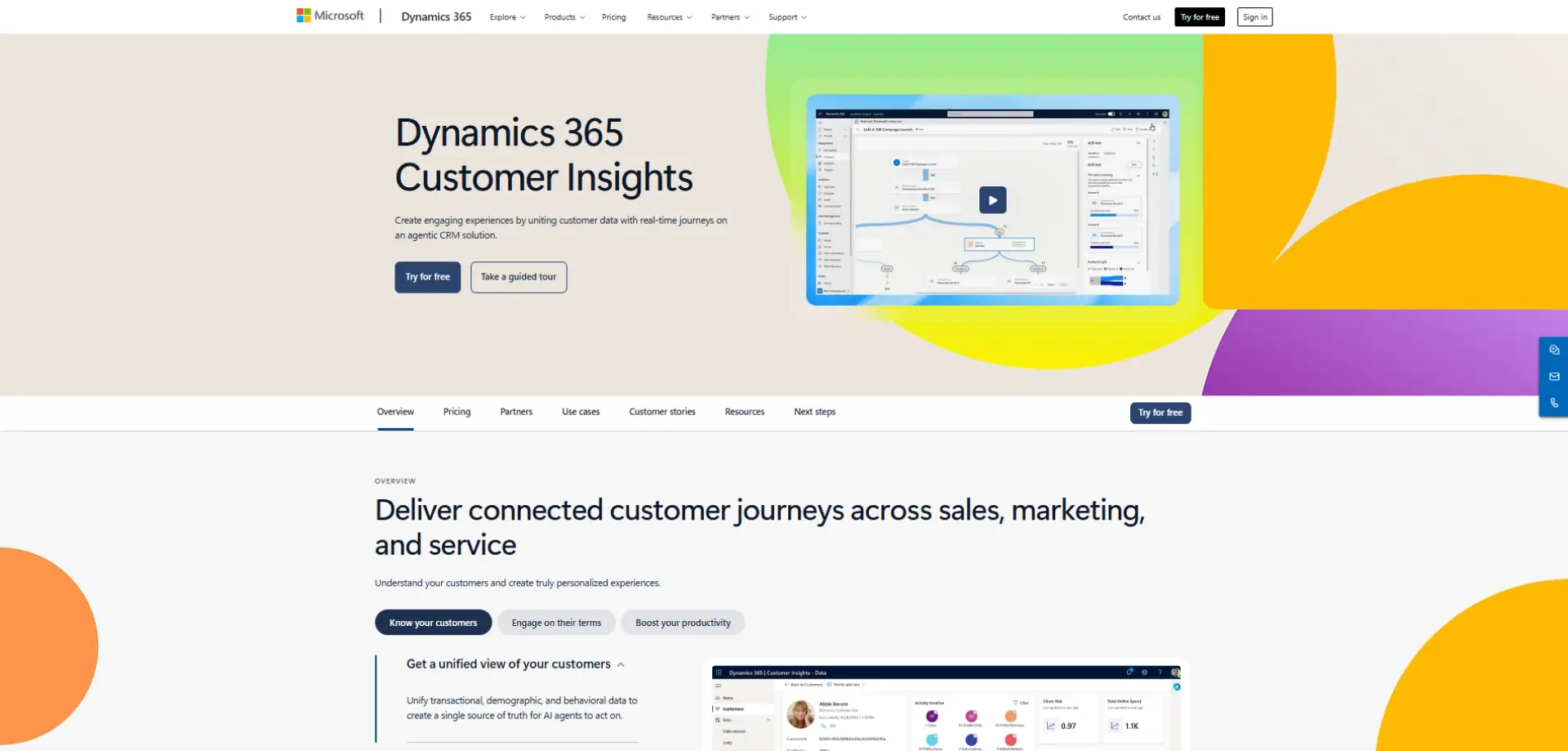
Best for (2026 fit): Organisations invested in Microsoft and Dynamics 365. It supports real-time, trigger-based journeys. Increasingly relevant in Microsoft-centric stacks.
What it’s known for: Known for real-time journey orchestration within Microsoft’s data platform. It brings marketing automation closer to customer data. This reduces fragmentation.
Standout automation features: Trigger-based journeys and event-driven logic. Visual journey builder designed for business users. Supports multi-step lifecycle automation.
Integrations & ecosystem: Strong alignment with Microsoft tools. Fits naturally with Dynamics and Azure data. Ecosystem maturity is growing.
Reporting & measurement: Journey and engagement reporting is solid. Deeper insight depends on data modelling. BI tools are often layered in.
Pricing & buying model: Microsoft licensing structure. Costs depend on usage and modules. Understanding entitlements is key.
Watch-outs: Requires clarity on data model and consent/governance to work well.
Who should shortlist it: If your organisation is Microsoft-first and wants modern journey automation.
Case studies: View all case studies
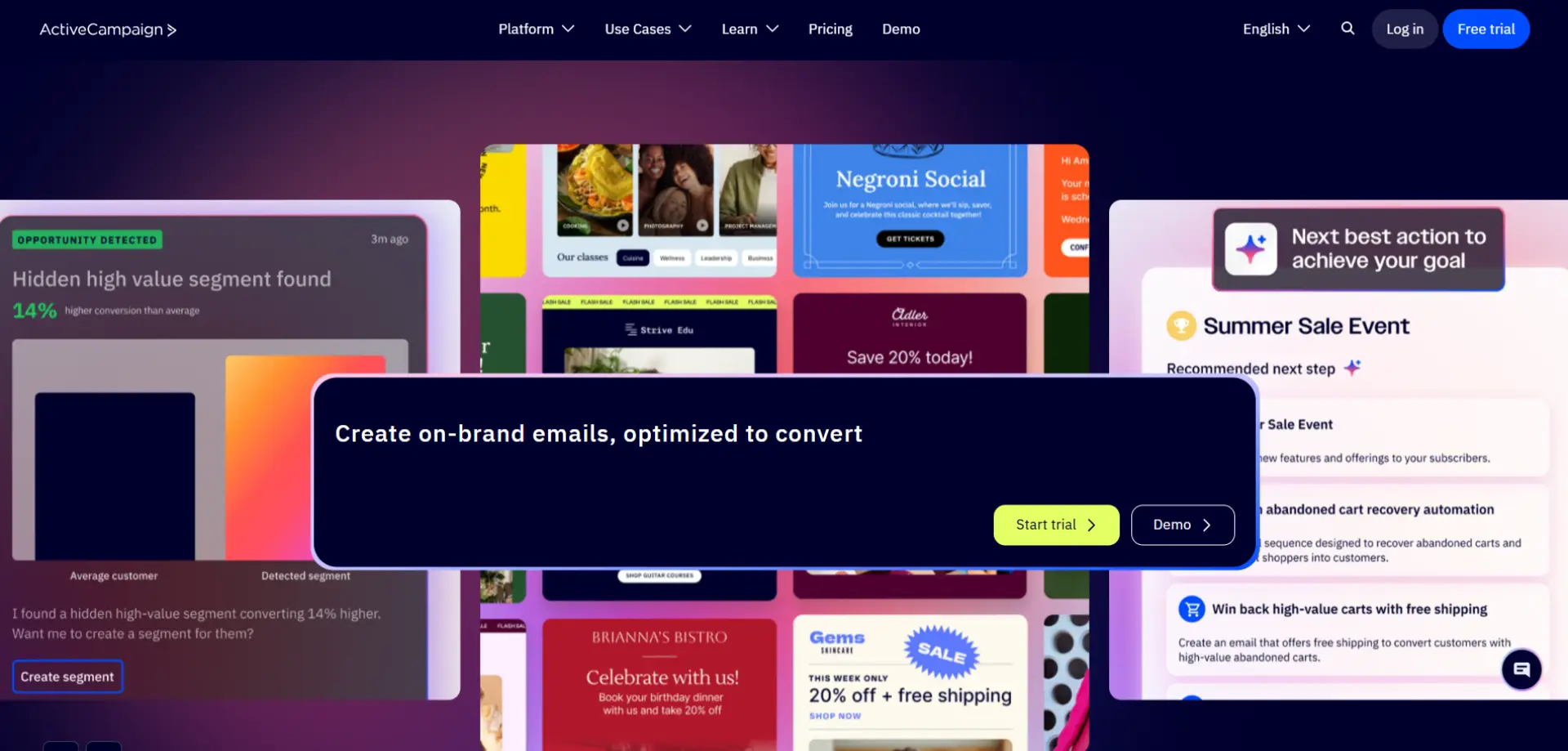
Best for (2026 fit): SMBs and growing teams needing capable automation without enterprise overhead. Particularly popular with digital-first businesses. In 2026, it remains strong value.
What it’s known for: Known for powerful automation at an accessible price point. Combines email, CRM-lite features, and workflows. Often punches above its weight.
Standout automation features: Behaviour-based triggers and branching. Tagging and segmentation drive automation logic. Supports practical lifecycle programmes.
Integrations & ecosystem: Broad set of SMB-friendly integrations. Easy to connect to common tools. Low barrier to entry.
Reporting & measurement: Good visibility into campaign performance. Attribution is lighter-weight. Often sufficient for SMB needs.
Pricing & buying model: Contact-based pricing tiers. Costs scale predictably. Feature access varies by plan.
Watch-outs: As complexity grows, data architecture and naming discipline become essential.
Who should shortlist it: If you want serious automation power at a sensible SMB price point.
Case studies: View all case studies
10. Mailchimp

Best for (2026 fit): Small teams and organisations with email-first strategies. Useful for newsletters and simple lifecycle flows. Not designed for heavy orchestration.
What it’s known for: Mailchimp is known for accessibility and ease of use. It lowers the barrier to marketing automation. Many teams start here.
Standout automation features: Basic customer journeys and triggers. Ecommerce-focused automation on higher plans. Simple segmentation.
Integrations & ecosystem: Strong ecommerce and SMB integrations. Widely supported by third-party tools. Easy to connect.
Reporting & measurement: Strong email reporting. Limited lifecycle and revenue analysis. Often supplemented externally.
Pricing & buying model: Tiered pricing based on contacts and features. Costs can rise as lists grow. Careful list hygiene helps.
Watch-outs: May feel limiting for complex multi-journey B2B or enterprise orchestration.
Who should shortlist it: If email-first is the centre of your lifecycle strategy.
Case studies: View all case studies
11. Klaviyo
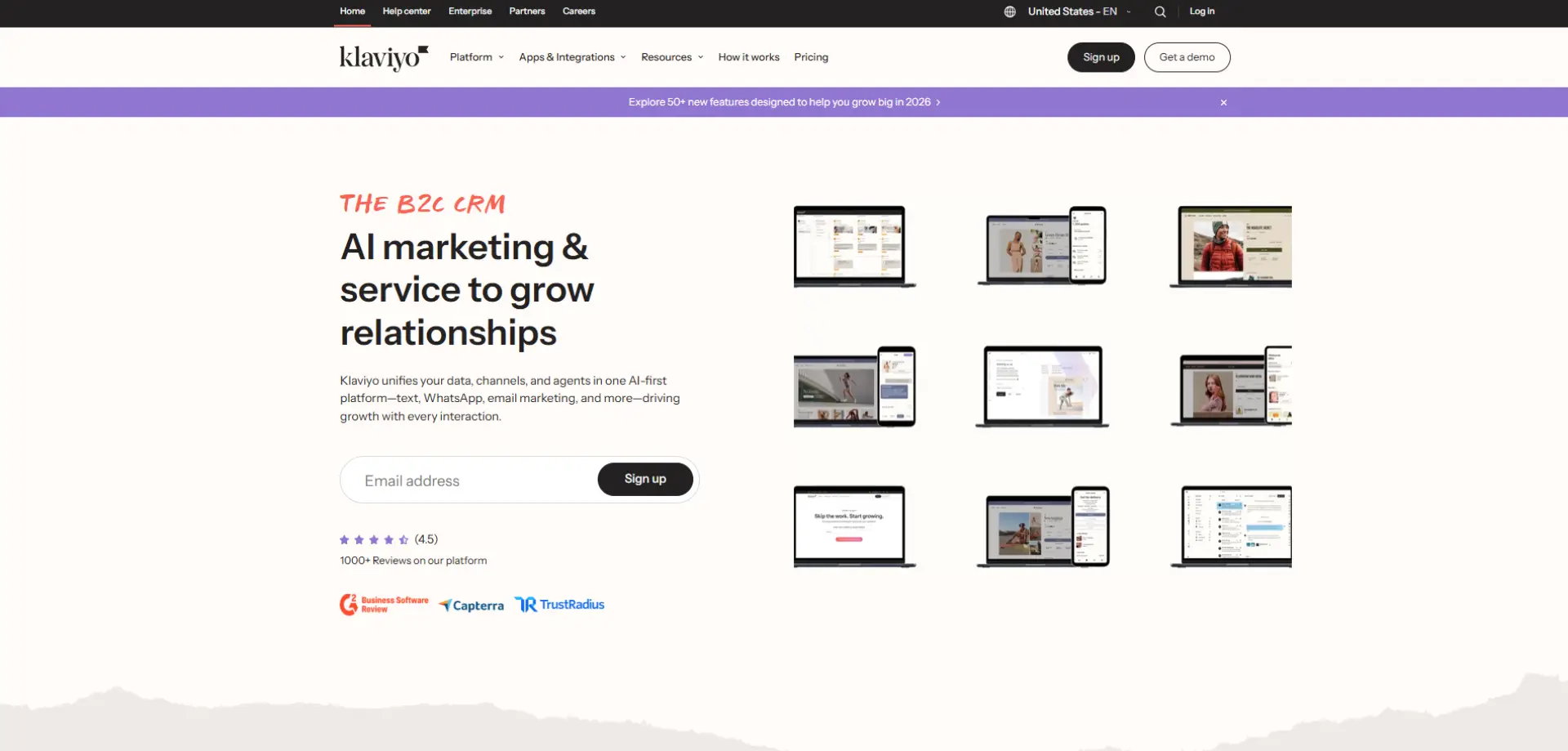
Best for (2026 fit): Ecommerce and DTC brands focused on revenue-driven lifecycle marketing. Strong choice for email and SMS-led strategies. Continues to dominate ecommerce automation.
What it’s known for: Known for deep ecommerce data integration and segmentation. Revenue attribution is a core strength. Built for growth teams.
Standout automation features: Browse, cart, and purchase-triggered flows. Predictive-style segments and dynamic content. Strong personalisation.
Integrations & ecosystem: Excellent commerce platform integrations. Plays well with paid media and onsite tools. Ecosystem is ecommerce-focused.
Reporting & measurement: Revenue and lifecycle reporting are typically very strong. Attribution is a key selling point. Supports optimisation.
Pricing & buying model: Scales with contacts and messaging volume. Costs increase with growth. Generally transparent.
Watch-outs: Less suited to complex B2B lead management.
Who should shortlist it: If ecommerce lifecycle is your growth engine.
Case studies: View all case studies
12. Braze
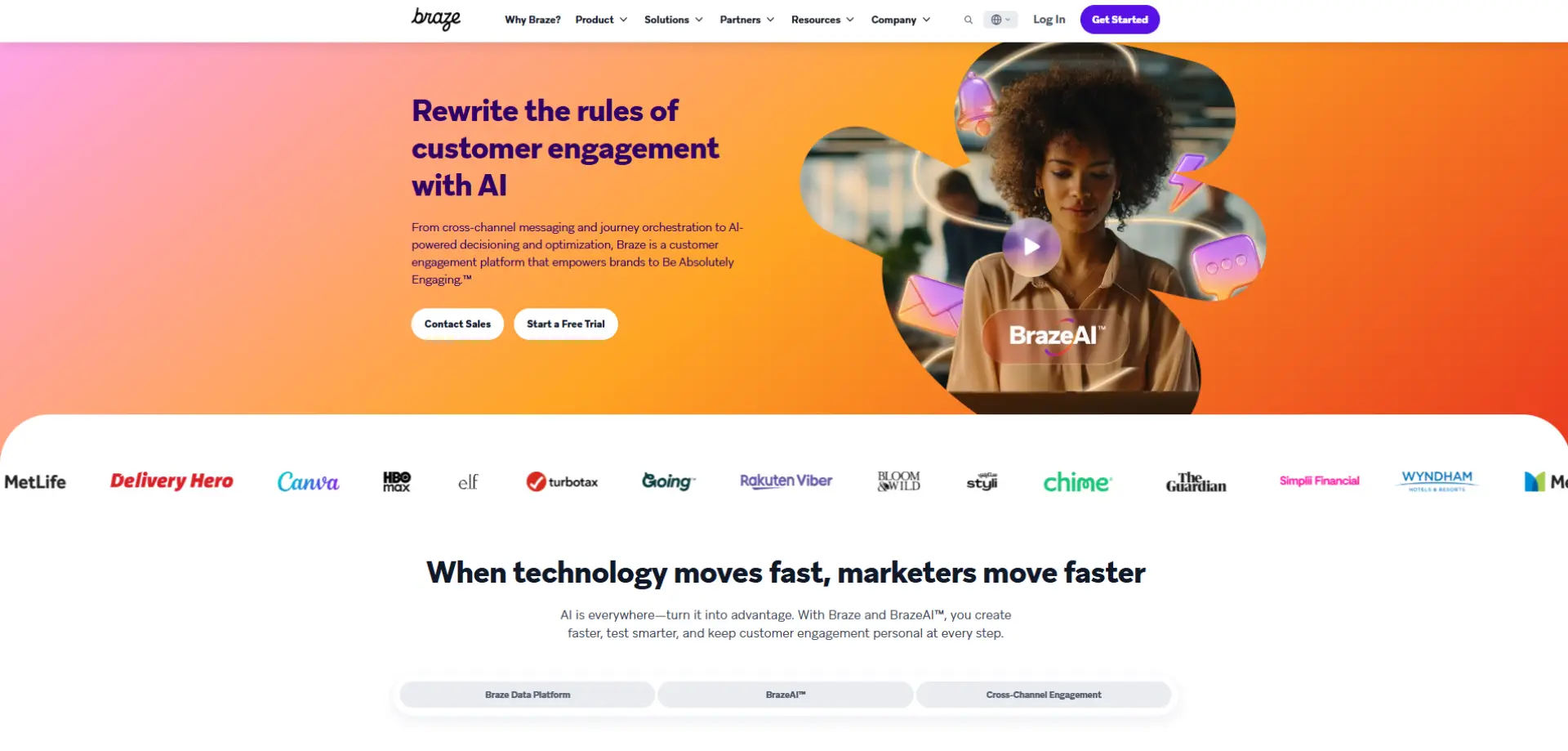
Best for (2026 fit): Product-led and mobile-first organisations. Ideal for apps and digital services. Requires technical maturity.
What it’s known for: Known for real-time, multi-channel customer engagement. Strong in mobile, in-app, and push. Enterprise-grade execution.
Standout automation features: Event-driven triggers and personalisation. Experimentation and testing are core strengths. Supports complex lifecycle logic.
Integrations & ecosystem: Integrates well with CDPs and data warehouses. Developer-friendly. Designed for composable stacks.
Reporting & measurement: Strong engagement and experimentation insights. Supports continuous optimisation. Often paired with BI.
Pricing & buying model: Enterprise pricing, often based on MAUs or message volume. Budget planning is essential.
Watch-outs: Needs good event instrumentation and data discipline to shine.
Who should shortlist it: If you’re serious about product and mobile lifecycle messaging.
Case studies: View all case studies
13. Iterable
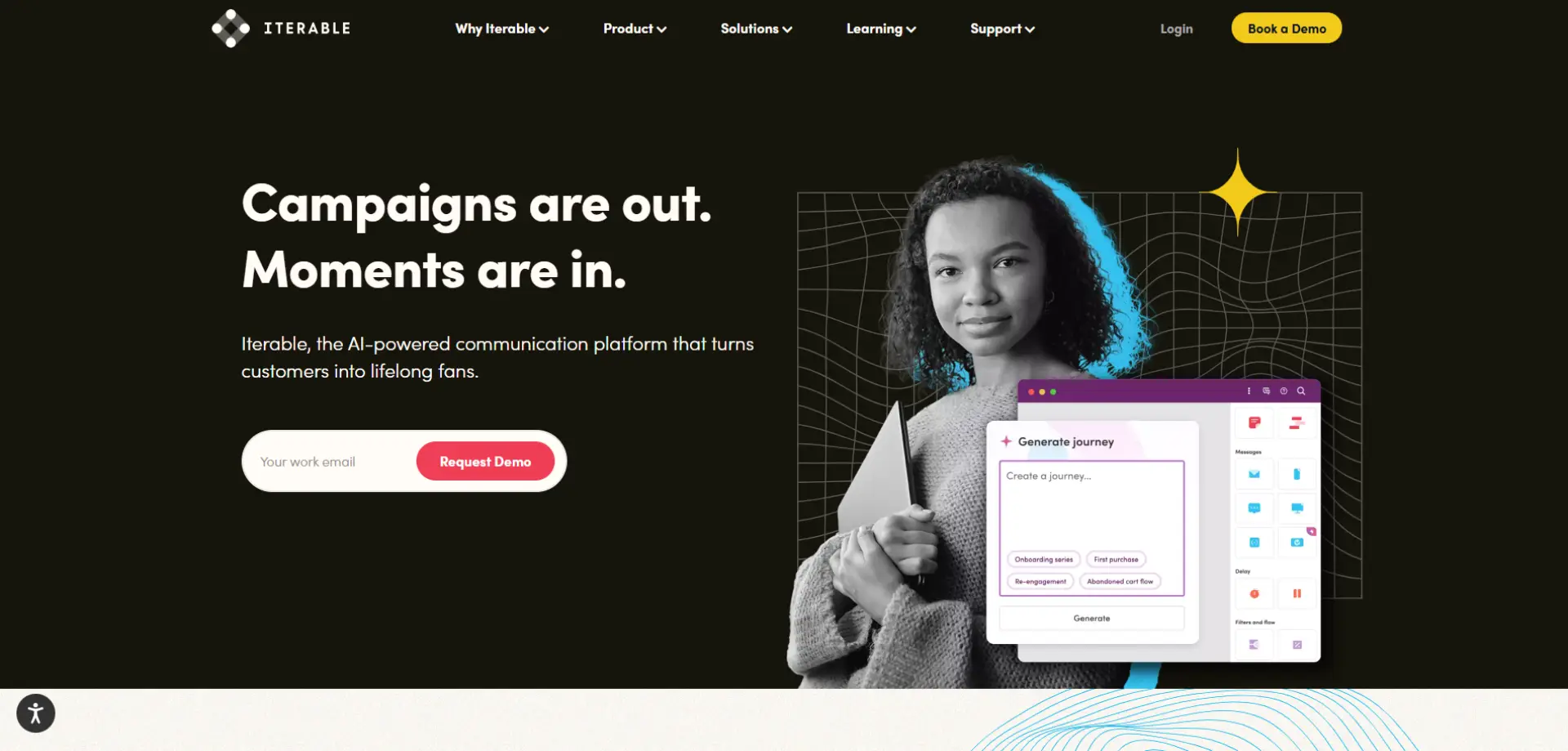
Best for (2026 fit): Mid-market and enterprise teams running sophisticated cross-channel programmes. Suits data-driven lifecycle strategies. Less opinionated than suites.
What it’s known for: Known for flexibility and strong experimentation. Balances power with usability. Often chosen by growth teams.
Standout automation features: Cross-channel journeys and dynamic content. Strong testing and optimisation. Event-based triggers.
Integrations & ecosystem: Strong CDP and data integrations. Fits modern stacks well. Less “all-in-one”.
Reporting & measurement: Good lifecycle and experiment reporting. Attribution often handled externally. Data-friendly.
Pricing & buying model: Mid-market to enterprise pricing. Scales with usage. Clear positioning.
Watch-outs: Requires solid data foundations; less “all-in-one CRM” than some suites.
Who should shortlist it: If you need cross-channel lifecycle sophistication without a full marketing suite.
Case studies: View all case studies
14. Customer.io
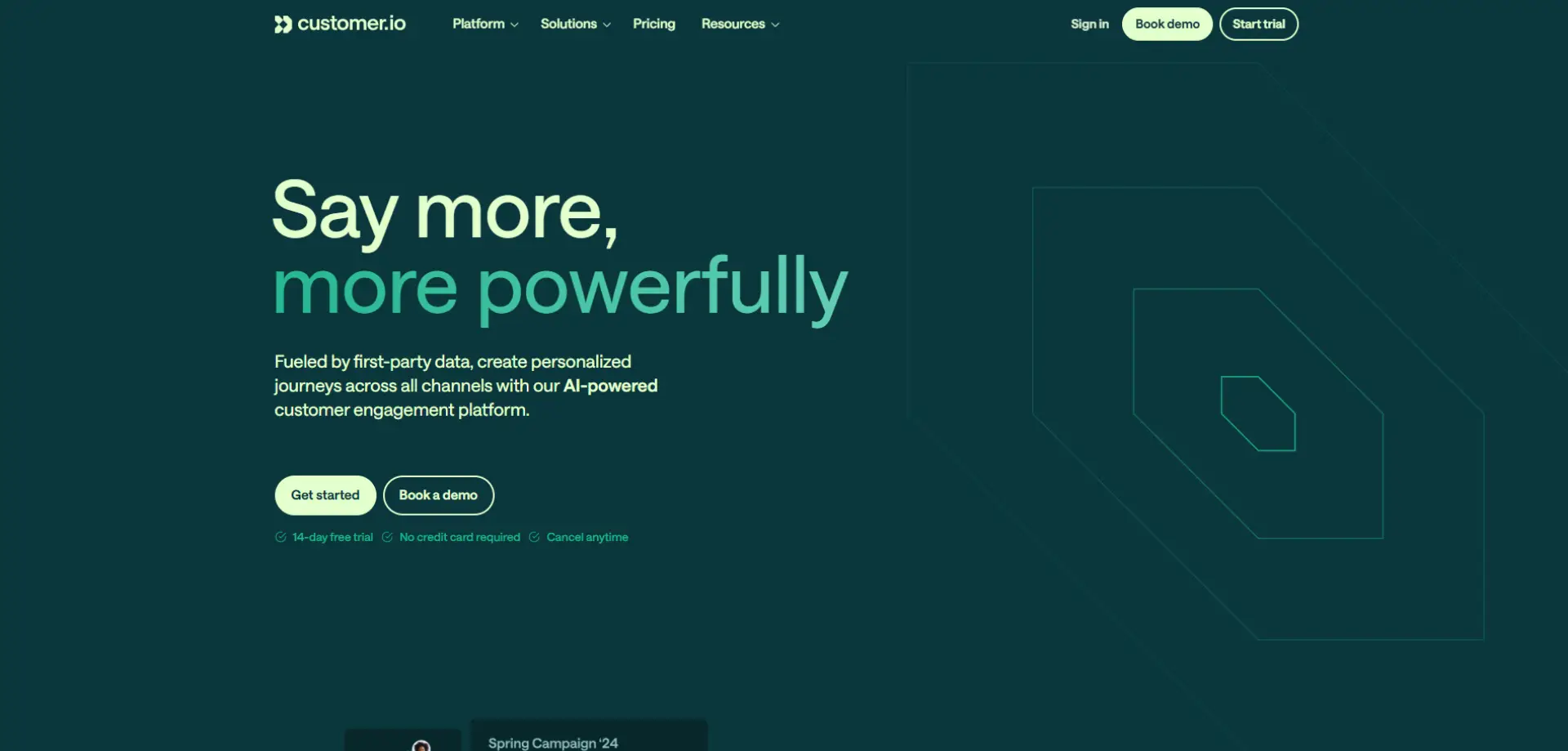
Best for (2026 fit): Technical and growth teams wanting flexibility and control. Works well in event-driven environments. Popular with SaaS businesses.
What it’s known for: Known for fast, flexible, data-triggered messaging. Puts events at the centre of automation. Minimal abstraction.
Standout automation features: Event-based workflows and branching. Deep personalisation using data attributes. Developer-friendly.
Integrations & ecosystem: Strong with data warehouses and modern tools. Works best in composable stacks. Less opinionated.
Reporting & measurement: Practical engagement reporting. Deeper analysis typically done in BI. Data transparency is a plus.
Pricing & buying model: Based on messaging volume and features. Predictable for event-driven use cases.
Watch-outs: Needs clean tracking and naming conventions; not a “CRM replacement”.
Who should shortlist it: If you want modern, event-driven lifecycle automation and have data support.
Case studies: View all case studies
15. Keap

Best for (2026 fit): Small businesses and solo operators. Designed for managing leads and follow-up simply. Not enterprise-focused.
What it’s known for: Known for combining CRM, automation, and follow-up in one system. Popular with entrepreneurs. Focuses on practicality.
Standout automation features: Lead capture and tagging. Simple automation sequences. Follow-up reminders and tasks.
Integrations & ecosystem: SMB-friendly integrations. Often used with payments and booking tools. Straightforward setup.
Reporting & measurement: Basic reporting focused on sales and follow-up. Limited attribution. Adequate for small teams.
Pricing & buying model: Package-based pricing. Clear positioning. Designed for simplicity.
Watch-outs: May feel limiting for advanced segmentation or complex multi-brand setups.
Who should shortlist it: If you want a single system to manage leads and follow-up without complexity.
Case studies: View all case studies

Best for (2026 fit): Budget-conscious teams, especially existing Zoho users. Suitable for foundational automation needs. Growing steadily.
What it’s known for: Known for value and integration within the Zoho ecosystem. Covers core automation needs. Appeals to cost-aware teams.
Standout automation features: Journey building and segmentation. Multi-channel basics. Solid fundamentals.
Integrations & ecosystem: Best within Zoho’s suite. External integrations exist but vary. Ecosystem-first approach.
Reporting & measurement: Adequate reporting for most needs. Advanced insight requires setup. Improving over time.
Pricing & buying model: Generally affordable tiers. Transparent pricing. Scales sensibly.
Watch-outs: If you’re not using Zoho elsewhere, integration effort may rise.
Who should shortlist it: If cost control matters and you’re already invested in Zoho.
Case studies: View all case studies
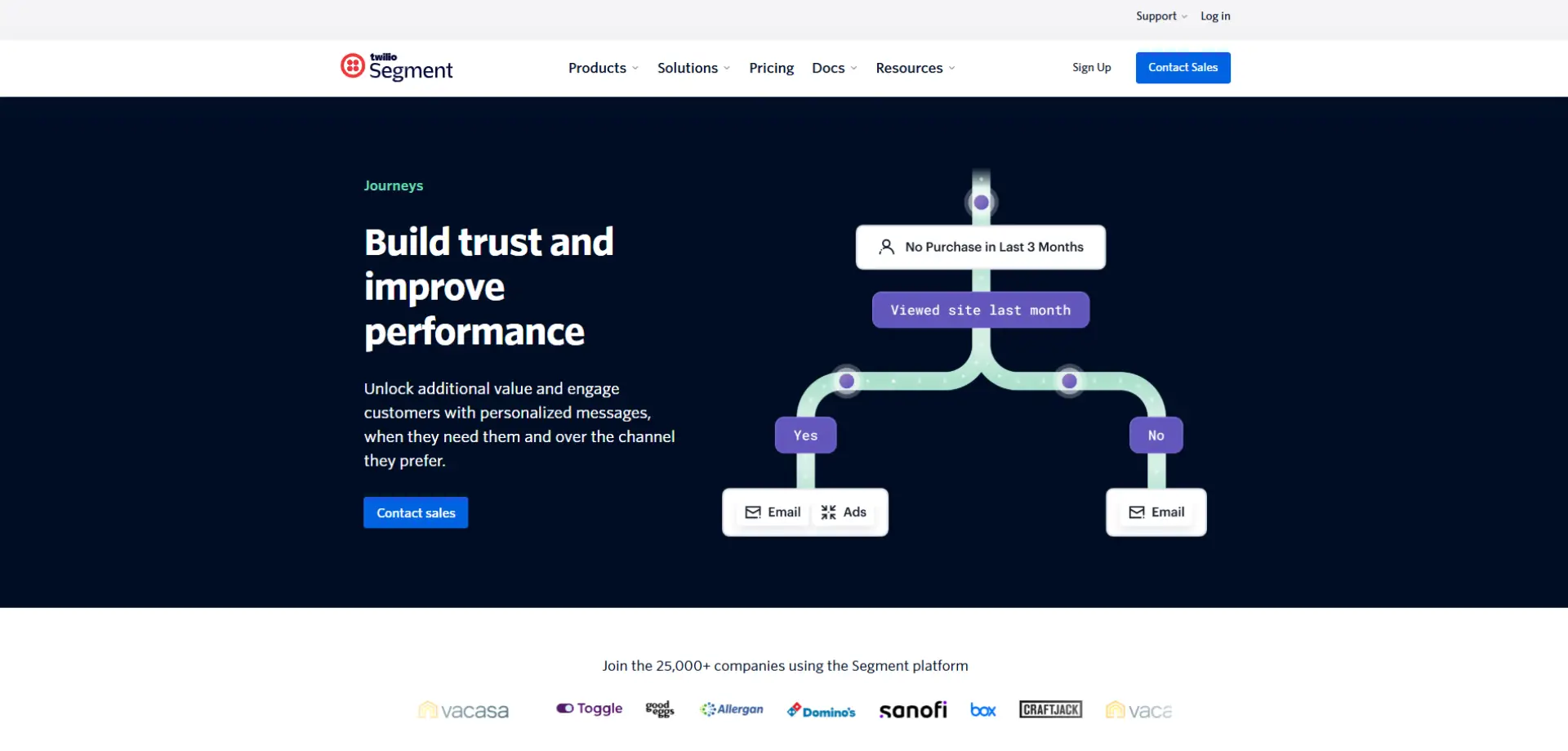
Best for (2026 fit): Teams building composable, data-first stacks. Works best where data pipelines already exist. Suits technical organisations.
What it’s known for: Known for audience building and activation driven by customer data. Segment acts as the hub. Automation is data-led.
Standout automation features: Event-driven audiences and activation. Identity resolution patterns. Downstream execution.
Integrations & ecosystem: Extremely broad destination support. Ideal for composable stacks. Data-first by design.
Reporting & measurement: Often handled via downstream tools and BI. Transparency into data flow is a strength. Requires analytics maturity.
Pricing & buying model: Scales with data volume and modules. Enterprise-oriented. Requires planning.
Watch-outs: Not always a “single place” to execute every channel; depends on your destinations.
Who should shortlist it: If you’re building a composable martech stack with data as the backbone.
Case studies: View all case studies
How We Chose and Ranked the Marketing Automation Systems on This List
-
Use-case fit first: We started by looking at real-world use cases, not feature checklists. Each platform earned its place because it performs well in at least one clear lane—B2B pipeline and demand generation, ecommerce lifecycle revenue, or enterprise-scale cross-channel orchestration. Tools that try to be everything to everyone, but don’t excel anywhere specific, were intentionally excluded.
-
Automation depth (not just email): Email alone no longer qualifies as “marketing automation” in 2026. Platforms were prioritised based on how well they support true journey orchestration—think triggers, branching logic, behavioural signals, personalisation, and experimentation across channels. Basic drip campaigns or time-based sequences weren’t enough to make the cut.
- Data and integration reality: We considered how these systems actually connect to the tools teams already rely on, such as CRMs, ecommerce platforms, CDPs, data warehouses, and analytics tools. Preference was given to platforms that integrate cleanly and reliably, rather than those that depend on brittle workarounds or excessive custom development. In short: fewer hacks, more stability.
- Operational practicality: A powerful platform is only valuable if teams can run it day to day. We factored in implementation effort, admin overhead, governance controls, and how well each system supports scaling—both in terms of volume and organisational complexity. Tools that demand constant specialist intervention without clear payoff were scored lower.
- Measurement and optimisation: Finally, we looked at how well each platform supports learning and improvement over time. That includes reporting clarity, attribution options, experimentation, and visibility into what’s actually driving outcomes. Platforms that make it easier to prove impact—and optimise based on evidence—ranked higher than those that leave teams guessing.
Choosing the Right Marketing Automation Platform for 2026
There’s no single “best” marketing automation system for 2026—only the best fit for your business model, stack, and team maturity.
If you’re B2B and CRM-led, start by anchoring around HubSpot, Marketo, Account Engagement, Eloqua, or Microsoft Journeys (depending on your ecosystem). If you’re ecommerce, Klaviyo is a natural first shortlist, with others coming into play as your channels and data needs expand. And if you’re operating at enterprise scale (or building a composable stack), tools like Salesforce Marketing Cloud, Braze, Iterable, and Segment-centric approaches are often where serious orchestration begins.
If you want expert support choosing, implementing, or optimising the right marketing automation platform—and making sure it genuinely drives revenue, not just activity—get in touch with The Munro Agency. We work with B2B and complex organisations to design automation strategies that align with real business goals, integrate cleanly with your existing stack, and deliver measurable results.
FAQs
A marketing automation system is software that automatically manages and personalises marketing journeys across channels such as email, web, SMS, paid media, and CRM. It uses customer data and behaviour to trigger relevant messages at the right time, reducing manual effort while improving consistency. In 2026, most systems also support journey orchestration, segmentation, and performance measurement.
There is no single best marketing automation platform for 2026, as the right choice depends on your business model, data maturity, and technology stack. B2B organisations often favour platforms like HubSpot, Marketo, or Salesforce Account Engagement, while ecommerce brands typically choose Klaviyo. Enterprise teams may require cross-channel platforms such as Salesforce Marketing Cloud, Braze, or Iterable.
To choose the right marketing automation system, start with your primary use case: B2B pipeline growth, ecommerce lifecycle revenue, or enterprise-scale customer journeys. Next, assess how well each platform integrates with your CRM, data sources, and existing tools. Finally, consider operational complexity, reporting needs, and whether your team can realistically run the platform day to day.
No, marketing automation is no longer limited to email marketing. Modern platforms support multi-channel journeys that include web personalisation, SMS, in-app messaging, paid media activation, and sales handoffs. Email remains important, but it’s now just one part of a broader lifecycle orchestration strategy.
You don’t always need an agency to implement marketing automation, but many organisations benefit from expert support. An agency can help with platform selection, data modelling, journey design, integration, and measurement—areas where mistakes can be costly and hard to unwind. This is especially valuable for complex B2B, enterprise, or multi-system environments.