Looking for the best headless CMS to power your digital content?
With so many platforms promising speed, flexibility, and control, choosing the right one can feel overwhelming. Whether you’re a developer building lightning-fast websites or a marketer in need of seamless publishing, this guide will help you find a solution that fits.
We’ve carefully reviewed and ranked 15 of the leading headless CMS platforms available today.
1. Contentful


Contentful is a cloud-native headless CMS designed to help teams create, manage, and deliver content across digital channels. It offers a developer-friendly platform with powerful APIs and a user-friendly interface for editors.
Office Location: Berlin, Germany
Year Founded: 2013
Team Size: 500+ employees
Key Features: Flexible content structure, easy language translation tools, fast global content delivery, clear user roles, and support for custom design setups
Best For: Enterprise businesses managing multi-platform digital content
Case Studies: View all case studies
2. Strapi


Strapi is a flexible, open-source headless CMS that gives teams full control over how their content is structured, managed, and delivered. It’s especially popular with developers who want to self-host and tailor the platform to their specific needs.
Office Location: Paris, France
Year Founded: 2016
Team Size: 50–100 employees
Key Features: Customisable content setup, control over hosting and security, user-friendly admin panel, multi-language support, and adaptable roles and permissions
Best For: Teams that want full control over how and where their content is stored
Case Studies: View all case studies
3. Sanity

Sanity is a highly customisable headless CMS built for speed and collaboration, allowing teams to structure and reuse content across platforms. It offers real-time editing, strong developer tools, and a modern editing experience.
Office Location: Oslo, Norway
Year Founded: 2018
Team Size: 100–200 employees
Key Features: Live collaboration, flexible content setup, real-time previews, smart content reuse, and tools for multi-channel publishing
Best For: Fast-paced teams who manage structured content across different platforms
Case Studies: Not available
4. Storyblok

Storyblok is a visual headless CMS that lets editors manage content with live previews while developers enjoy full flexibility in design. It’s built for businesses that want both creative freedom and structured content.
Office Location: Linz, Austria
Year Founded: 2017
Team Size: 150–200 employees
Key Features: Visual editing tools, content blocks for reuse, multi-language support, scheduling options, and custom user roles
Best For: Marketing-led teams who want a balance of flexibility and visual control
Case Studies: View all case studies
5. Prismic
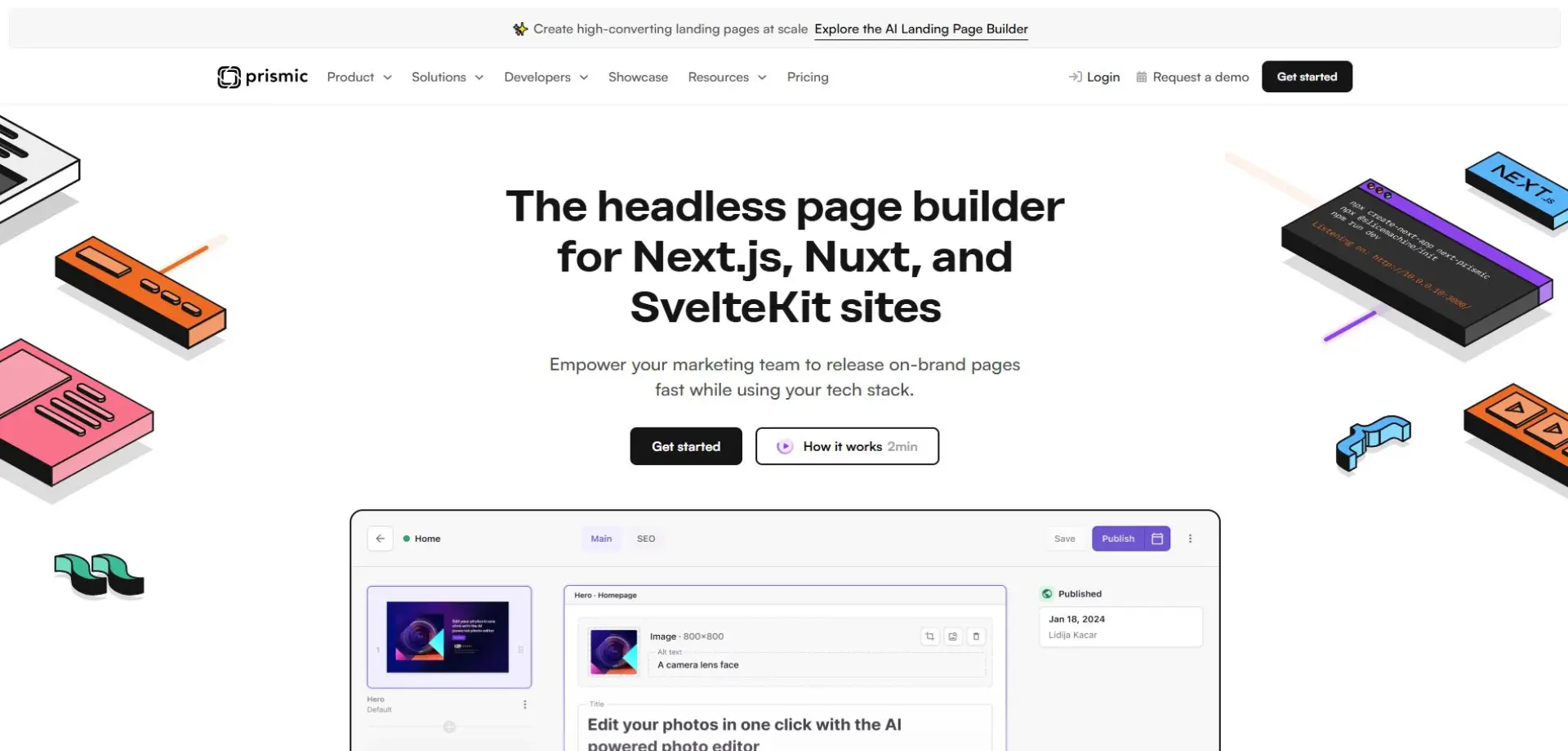
Prismic is a user-friendly headless CMS known for its clean editing interface and quick publishing tools. It’s ideal for teams that need to launch and update marketing pages efficiently.
Office Location: Paris, France
Year Founded: 2013
Team Size: 50–100 employees
Key Features: Simple editor, page scheduling, multi-language tools, visual previews, and support for reusable content components
Best For: Marketing websites and teams focused on speed and ease of use
Case Studies: Not available
6. DatoCMS

DatoCMS is a fast and developer-friendly headless CMS designed for performance and ease of integration. It supports modern website frameworks and provides a smooth editing experience for content teams.
Office Location: Florence, Italy
Year Founded: 2015
Team Size: 20–50 employees
Key Features: Fast content delivery, support for multiple languages, easy integration with modern web tools, custom roles, and reusable content blocks
Best For: Frontend teams building modern websites or apps at speed
Case Studies: Not available
7. Contentstack
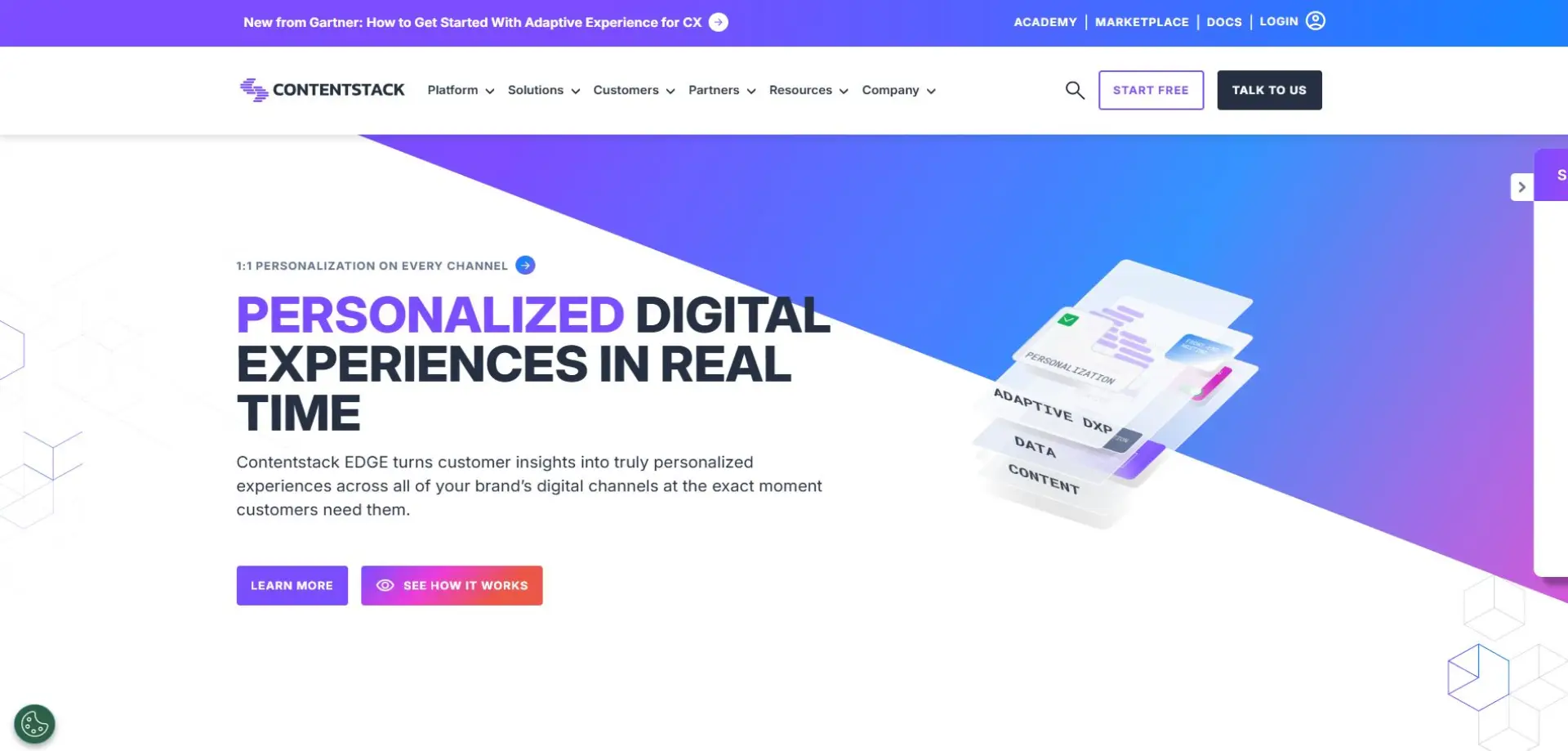
Contentstack is an enterprise-level headless CMS designed for large teams and complex content needs. It offers powerful tools for collaboration, content delivery, and integration across digital platforms.
Office Location: San Francisco, USA
Year Founded: 2018
Team Size: 200–500 employees
Key Features: Team-friendly editing tools, built-in translation support, fast global delivery, flexible publishing workflows, and strong integrations with other platforms
Best For: Large organisations needing advanced collaboration and content management at scale
Case Studies: View all case studies
8. Kontent.ai

Kontent.ai is a cloud-based headless CMS that helps global businesses manage structured content with a focus on governance and compliance. It’s ideal for enterprises with content teams spread across different regions.
Office Location: Brno, Czech Republic
Year Founded: 2022 (spun off from Kentico)
Team Size: 200+ employees
Key Features: Structured content models, version history, secure collaboration, localisation tools, and workflow approvals
Best For: Global teams in regulated industries who need transparency and control
Case Studies: Not available
9. Directus


Directus is an open-source headless CMS that connects directly to your existing database, giving full control over how your content is stored and managed. It’s built for technical teams who want flexibility without giving up usability.
Office Location: New York, USA
Year Founded: 2018 (relaunch)
Team Size: 20–50 employees
Key Features: Custom database connection, easy-to-use admin panel, role management, visual data editing, and multilingual support
Best For: Teams that want to work directly with their data without giving up user-friendly tools
Case Studies: Not available
10. Ghost

Ghost is an open-source platform built primarily for blogging and publishing, with a headless setup that supports custom frontends. It’s fast, simple to use, and ideal for creators who want full control over their content.
Office Location: Singapore
Year Founded: 2013
Team Size: 10–20 employees
Key Features: Clean writing interface, built-in SEO tools, membership support, email newsletters, and flexible content delivery
Best For: Publishers and content creators who want a fast, focused writing platform
Case Studies: Not available
11. Magnolia

Magnolia is a hybrid CMS designed for large-scale projects that need both headless delivery and traditional in-context editing. It’s often used by companies with complex digital operations and personalisation needs.
Office Location: Basel, Switzerland
Year Founded: 1997
Team Size: 100–200 employees
Key Features: Visual page editing, personalisation tools, enterprise integrations, translation support, and secure user roles
Best For: Enterprises managing large websites and tailored customer experiences
Case Studies: Not available
12. Amplience
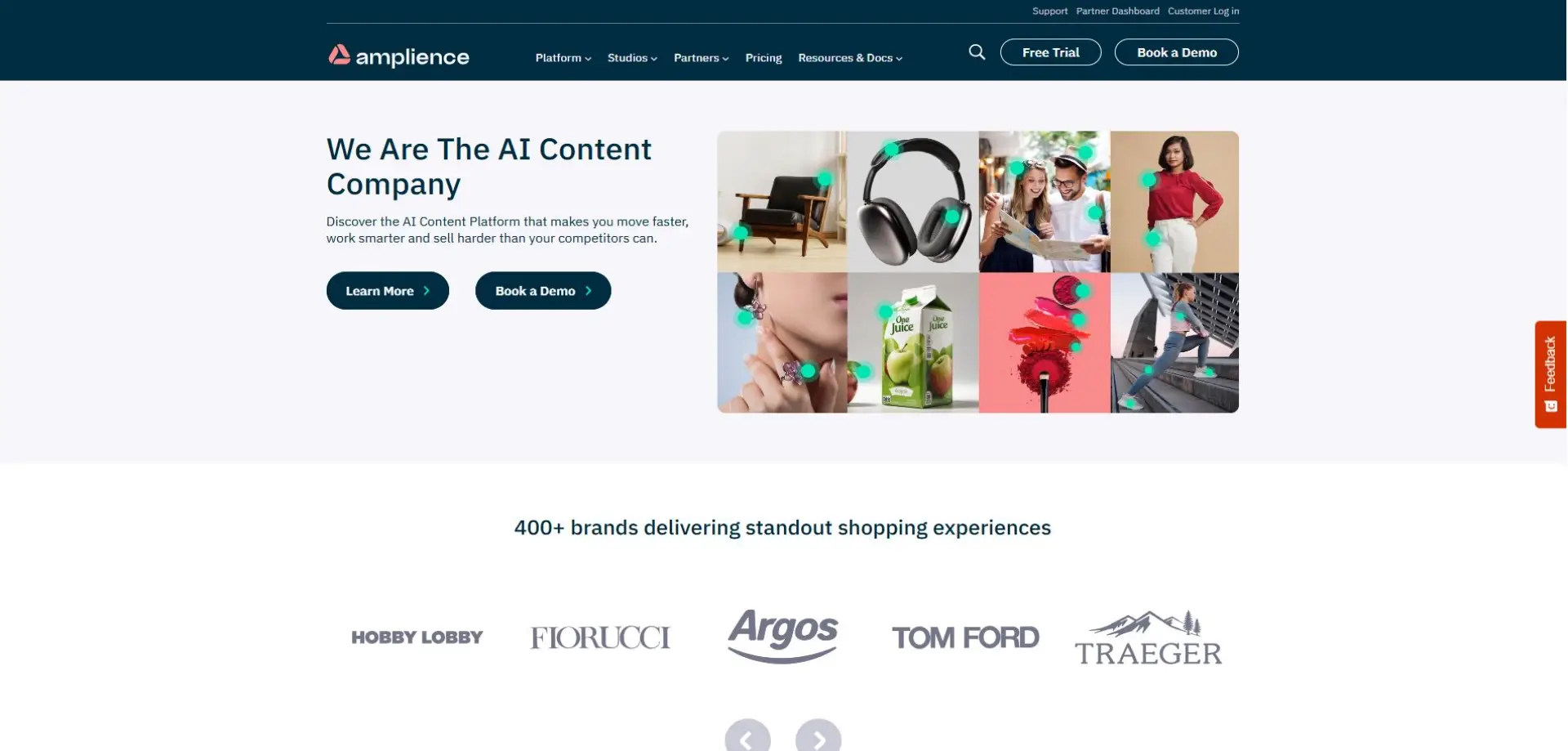
Amplience is a headless CMS and digital experience platform built for retailers and ecommerce brands. It offers tools for managing dynamic media, campaign scheduling, and product content all in one place.
Office Location: London, UK
Year Founded: 2008
Team Size: 150–300 employees
Key Features: Visual content planning, fast media delivery, product content integration, multi-device previews, and content scheduling
Best For: Ecommerce businesses managing large volumes of product and campaign content
Case Studies: Not available
13. CrafterCMS

CrafterCMS is an open-source headless CMS focused on personalisation, performance, and flexibility. It’s designed for enterprises that want to build customised digital experiences without platform limitations.
Office Location: Reston, Virginia, USA
Year Founded: 2013
Team Size: 50–100 employees
Key Features: Drag-and-drop experience builder, personalisation tools, secure content workflows, AI integration, and scalability for high traffic
Best For: Enterprises building highly tailored and dynamic digital experiences
Case Studies: Not available
14. Payload CMS

Payload is a developer-first, self-hosted headless CMS built with TypeScript. It offers full flexibility over your codebase while giving content editors a modern and straightforward experience.
Office Location: Ohio, USA
Year Founded: 2021
Team Size: 10–20 employees
Key Features: Custom content structure, easy editor interface, flexible access controls, clean UI, and strong developer tooling
Best For: Development teams building modern apps with full code control
Case Studies: Not available
15. Enonic XP

Enonic XP is a hybrid CMS and web application platform that combines content management with custom app development. It’s built for companies that want to manage everything in one place using JavaScript and Java.
Office Location: Oslo, Norway
Year Founded: 2000
Team Size: 20–50 employees
Key Features: Unified content and app platform, content previews, permissions control, multi-language tools, and fast page delivery
Best For: Tech teams building advanced web solutions on a single platform
Case Studies: Not available
How We Ranked These Platforms
| Criteria | Weight | Description |
|---|---|---|
| Ease of Use | 25% | How simple and intuitive the platform is for non-technical users. |
| Customisability & Developer Tools | 25% | Flexibility for developers to customise and integrate with tools. |
| Scalability & Performance | 15% | Ability to handle growth, traffic, and fast global delivery. |
| Feature Set & Flexibility | 15% | The range of built-in features supporting various content needs. |
| Market Adoption & Reputation | 10% | Level of trust, usage, and visibility across the industry. |
| Support, Documentation & Community | 10% | Availability of helpful resources and active user support. |
The Bottom Line
From developer-first tools to content editor-friendly platforms, the headless CMS space offers powerful options for every type of team. If you’re planning a digital transformation or want to make sure your CMS aligns with your wider marketing objectives, speak to the experts at the Munro Agency. We can help you connect the dots between content, SEO, and conversion-focused campaigns that drive results.
FAQs
A headless CMS is a content management system that separates the content creation backend from the front-end presentation layer. This allows developers to deliver content across websites, apps, and digital platforms using APIs.
A headless CMS offers faster performance, greater flexibility, and easier multi-channel publishing. It enables developers to use any front-end framework while allowing content teams to manage content centrally.
The best headless CMS depends on your needs, but Contentful, Strapi, Sanity, and Storyblok are widely regarded for their flexibility, speed, and ease of use. Contentful is a top choice for enterprise, while Strapi suits developers looking for open-source control.
Yes, a headless CMS can be good for SEO when implemented correctly. It allows for fast-loading pages, custom metadata control, and structured content—all of which contribute to better search engine visibility.
To choose the right headless CMS, consider your team’s technical skills, content workflow needs, scalability requirements, and budget. Look for platforms with strong APIs, editor-friendly interfaces, and solid documentation.